
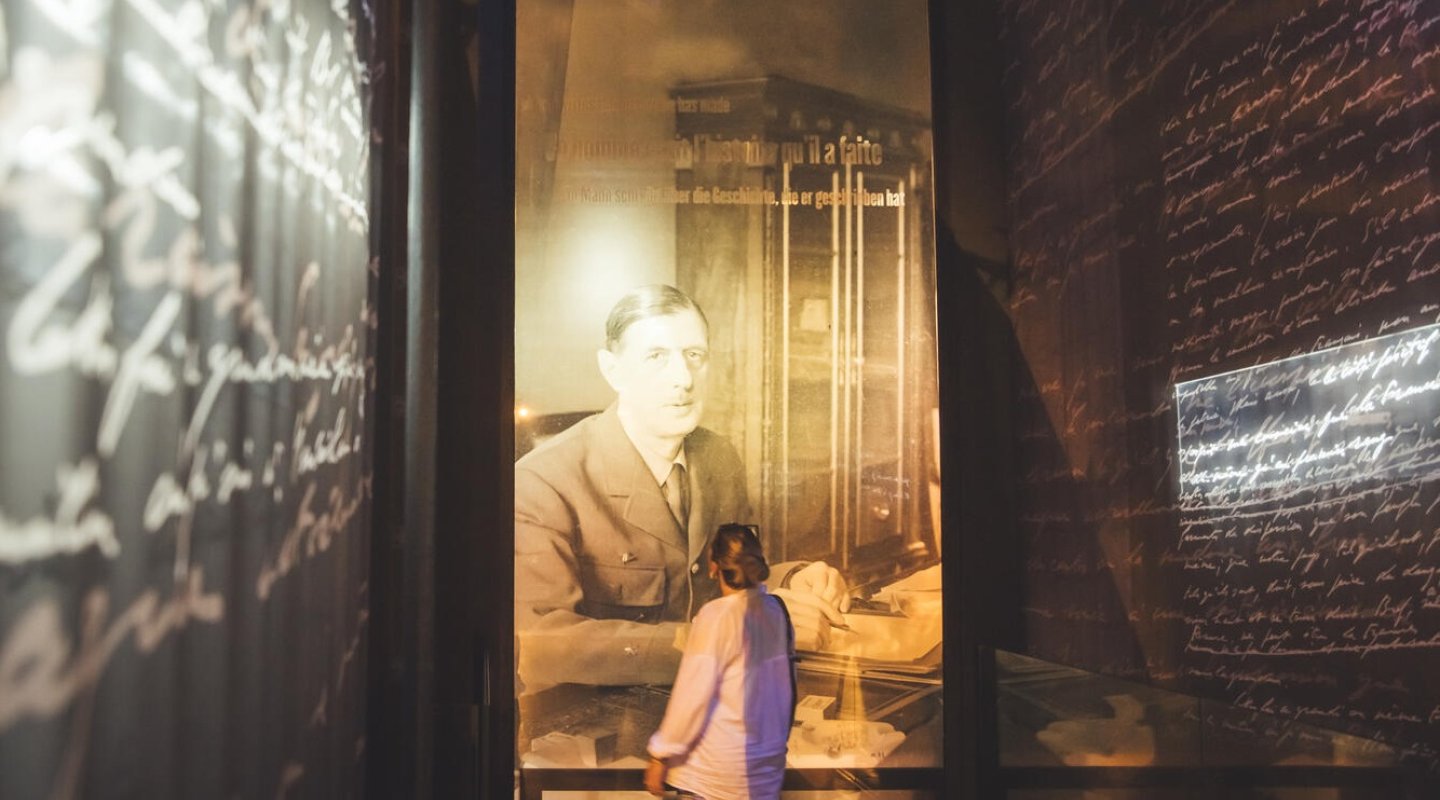
Large format :
Culture & Heritage
In the footsteps of General de Gaulle
In the Grand Est region, take a journey through history by exploring the historic and memorial sites closely linked to General de Gaulle and the two world wars.
The soldier during the First World War
When we think of General de Gaulle, we often associate him with the Second World War and the Liberation. But did you know that he fought during the Great War? During the Battle of Verdun, Captain Charles de Gaulle commanded the 10th Company of the 33rd Infantry Regiment. In March 1916, at Douaumont, he was wounded by a bullet in the thigh and taken prisoner by German soldiers. In 1966, having become a general and President of the Republic, he returned to Verdun to mark the 50th anniversary of the battle.
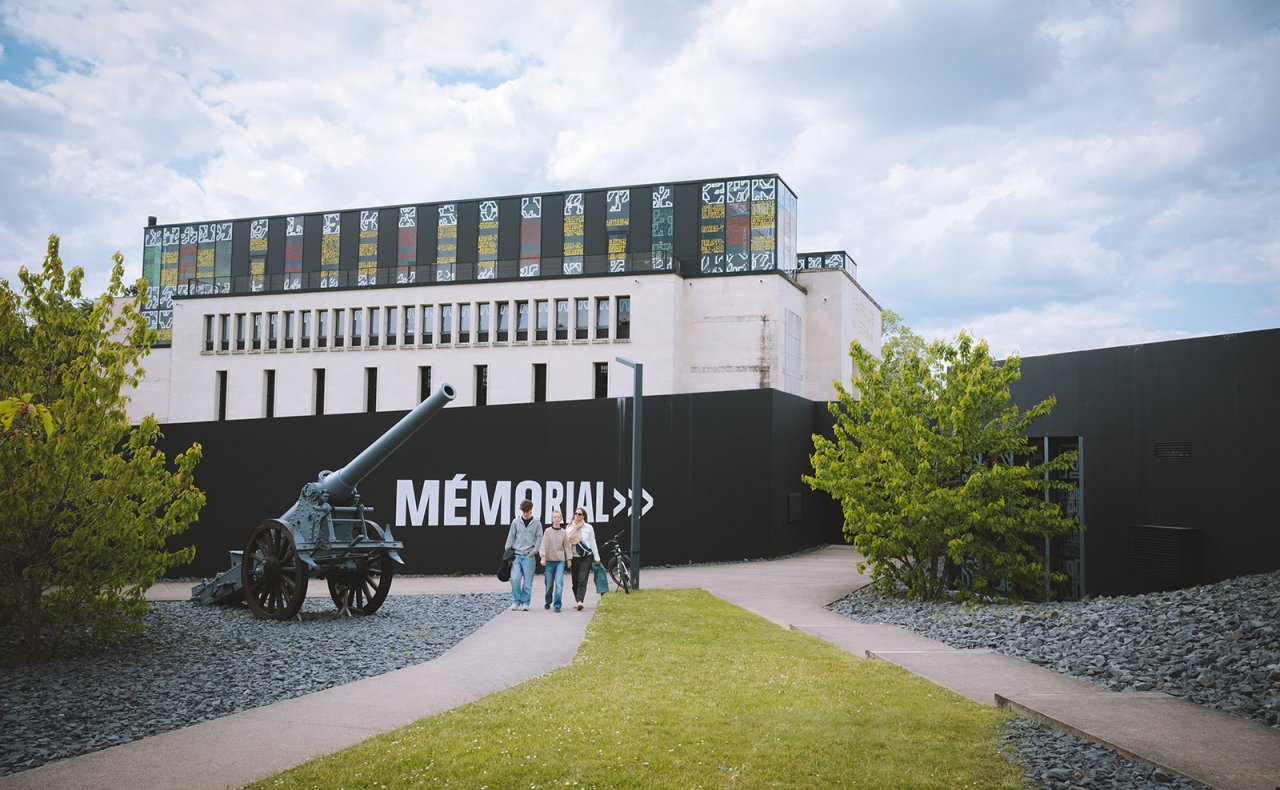
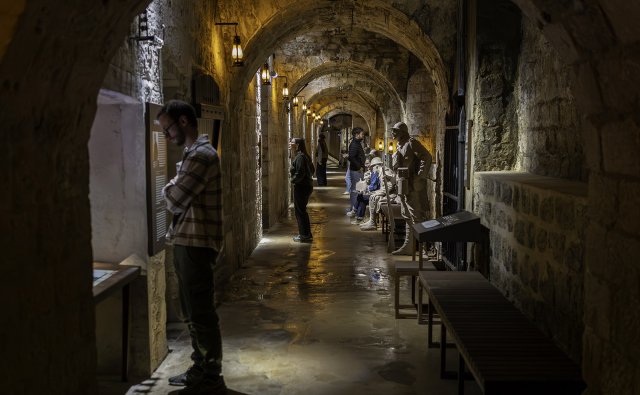
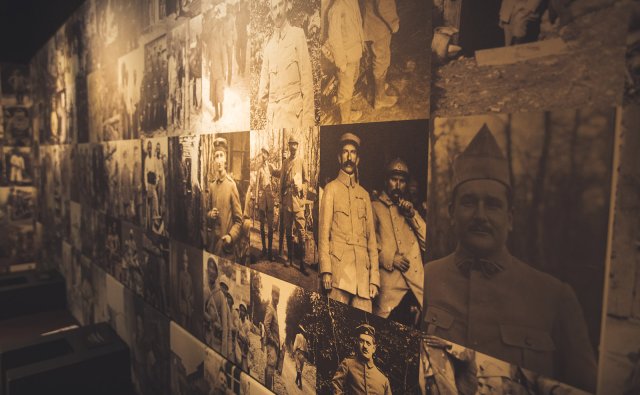
Immerse yourself in this chapter of history by exploring the Verdun Memorial – Battlefield. The museum, dedicated to the conflict, recounts the experiences of French and German soldiers. Nearby, Fort de Vaux, which reopened in 2026 following several months of renovation work, guides us, through a new immersive exhibition, in the footsteps of the soldiers.
A little further on, set off on a tour of Fort Douaumont. It is situated near the destroyed village of Douaumont, which was never rebuilt after 1918. It was in this area that Charles de Gaulle was wounded and captured. Just a few metres away, discover the Ossuary, a monument commemorating the French and German soldiers who fought at Verdun.
-
From14,00 €
Combined ticket for Fort de Vaux and Douaumont
-
From10,00 €
Guided tour of the La Ferté work
-
From6,50 €
Visit to the Fort de Vaux
-
From5,00 €
Visit to the Chattancourt Trench
-
From11,00 €
Mémorial de Dormans 1914-1918 – Private tour
-
From15,00 €
Visit to Fermont Fort & the 1940 Combatant Museum
-
From12,00 €
Visit to the Fort de Mutzig
-
From4,00 €
Family game trail in Charlemont
-
From6,00 €
Self-guided tour of the Musée du Combattant de 1940
-
Free
Guided tour – The liberation of Troyes
-
From15,00 €
Guided tour of the Bois des Caures by car
-
From18,00 €
Cruise on the Meuse River aboard the Charlemagne boat
-
From6,00 €
Guided tour Treasures of our land: The fortified forest of Villey-Saint-Étienne
-
From5,00 €
Vincey Military Art Museum
-
From5,00 €
Free visit to the Charlemont Fortress


From the Second World War to peace
In the Grand Est region, several memorial sites allow visitors to trace Charles de Gaulle’s journey from the Second World War right through to Franco-German reconciliation.
In Alsace, in Natzweiler, step inside the European Centre for Deported Resistance Fighters, situated on the site of the former Natzweiler-Struthof concentration camp. Here, you can learn more about the camp’s construction, the rise of Nazism and the Resistance. On 23 July 1960, General de Gaulle inaugurated the Memorial to the Heroes and Martyrs of Deportation and the national necropolis there. This camp had an annexe in Thil, in Meurthe-et-Moselle: a memorial trail leads you to the crypt, built around the former crematorium.
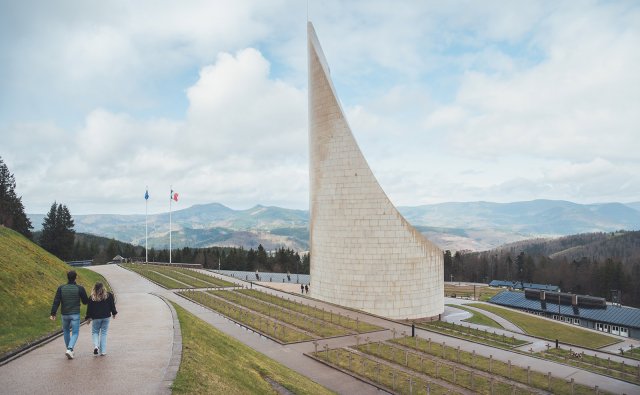
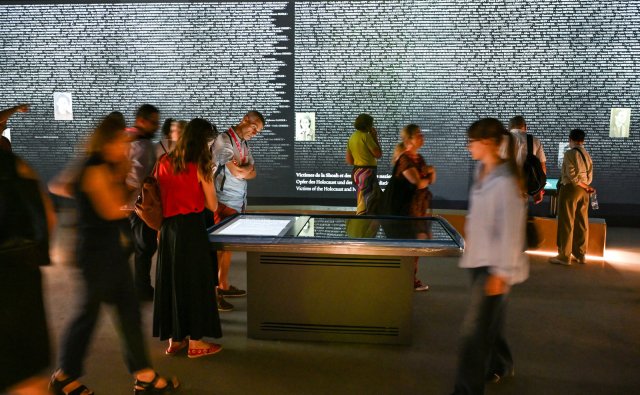
A few kilometres from Natzweiler, in Schirmeck, follow the Alsace-Moselle Memorial’s exhibition tracing the history of the people of Alsace and Moselle from 1870 to the creation of the European Union. Since 2026, the site has been home to the Wall of Names, which pays tribute to the 44,000 people from Alsace and Moselle who lost their lives as a result of the Second World War.
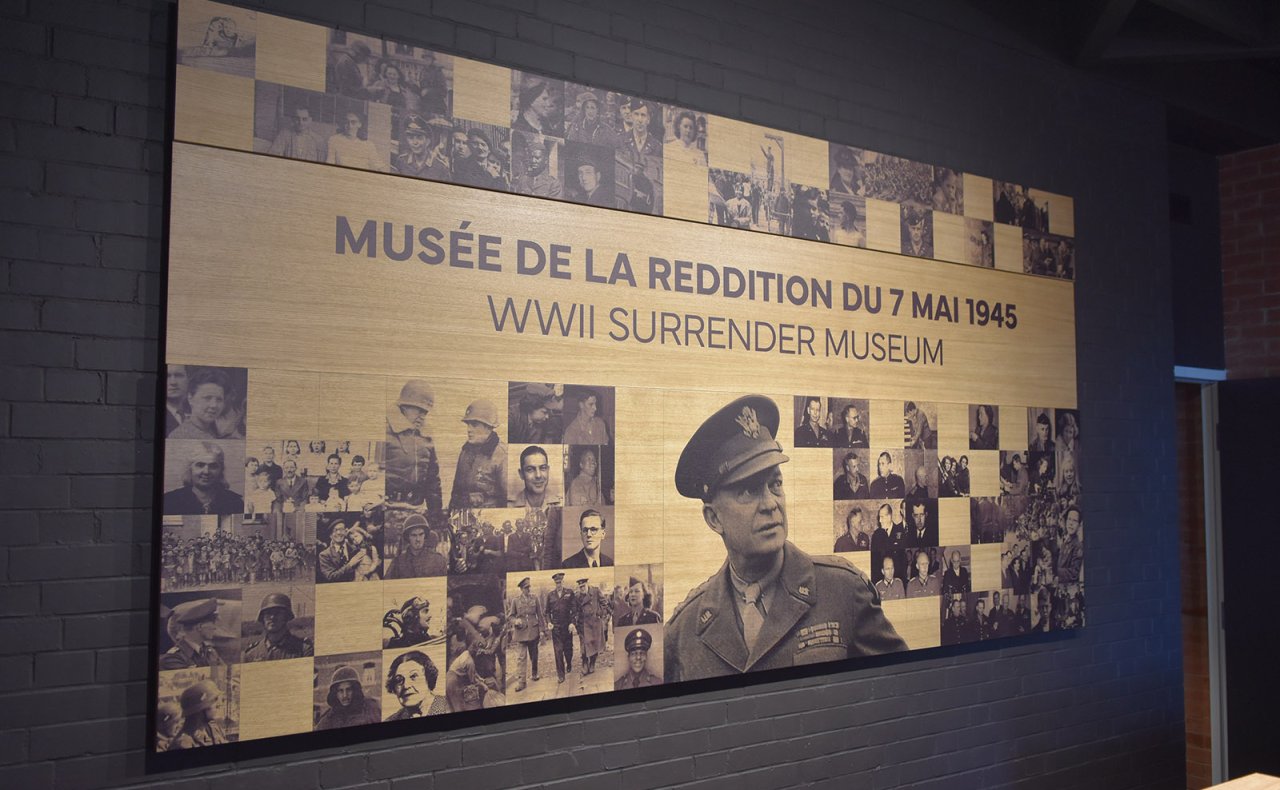
In Reims, at the Museum of the Surrender of 7 May 1945, explore the map room, where the act of surrender of Nazi Germany was signed on 7 May 1945, and discover what daily life was like for the people of Reims during the war. Just a short walk away, step inside Reims Cathedral, where, on 8 July 1962, Charles de Gaulle and the German Chancellor, Konrad Adenauer, attended a Te Deum together – a Christian hymn – sealing Franco-German reconciliation.
The Statesman
The tour following in the footsteps of General de Gaulle naturally continues in Haute-Marne, at Colombey-les-Deux-Églises, the village where he chose to settle with his family in 1934 and where he is buried.
Begin your journey by visiting La Boisserie, his family home, which was where he lived, reflected and wrote. Here you can explore the sitting room, the dining room, the library and the study where he wrote his memoirs. In the cemetery, visitors can pay their respects at General de Gaulle’s simple grave, where he rests alongside his wife Yvonne and their daughter, Anne.
A little further on, at the Charles de Gaulle Memorial, journey through the 20th century via the General’s life story, tracing his career, his military engagements and even his vehicles. One then contemplates, with emotion, the Cross of Lorraine, one of the most iconic symbols of the Gaullist legacy. Erected in 1972, two years after the General’s death, it stands atop the hill which he himself had chosen in 1954.
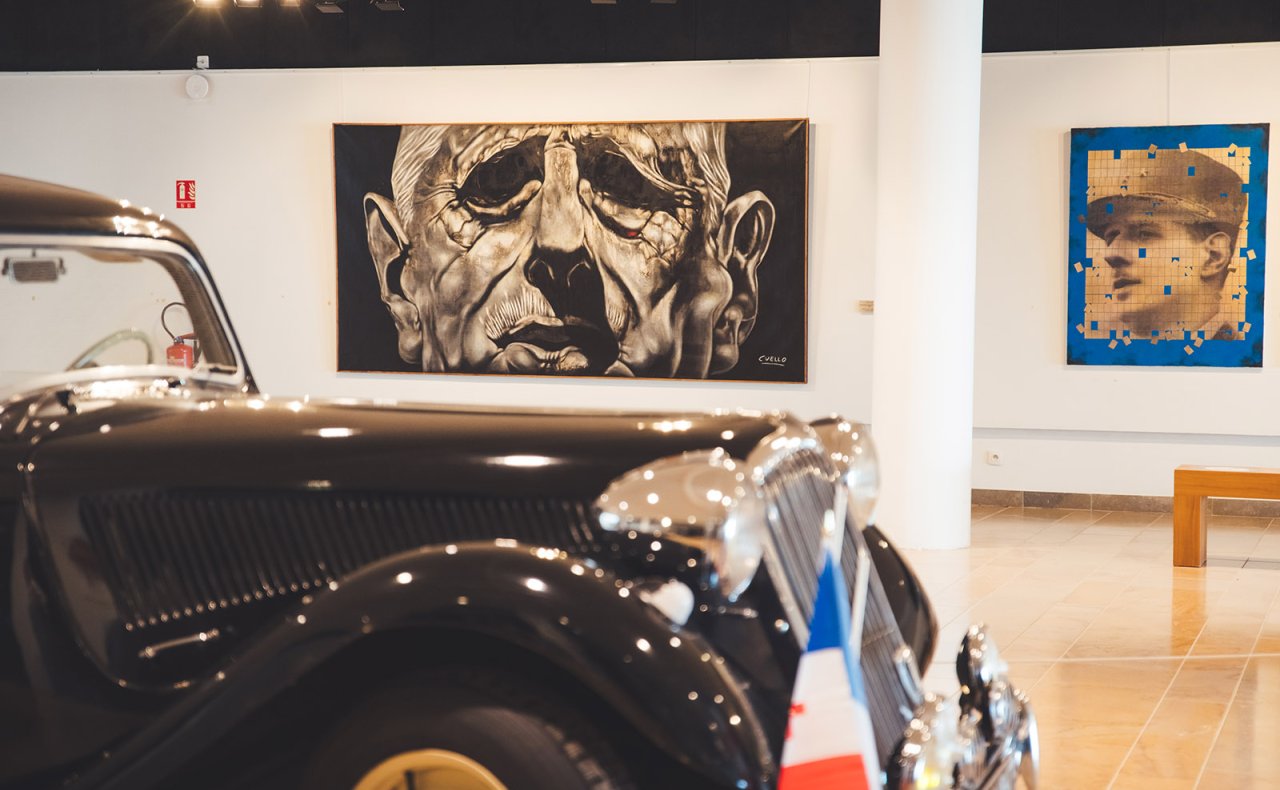
General de Gaulle and Europe
To gain a better understanding of General de Gaulle’s legacy in the development of the European Union, a visit to Strasbourg is also a must. It was in this city, on Place Broglie, that on 7 April 1947 he delivered a speech in which he spoke of France’s future in a world ravaged by war and called, in particular, for ‘rebuilding Europe’ and developing international cooperation.
To find out more about the European Parliament, guided tours are available to the general public. Explore the hemicycle, where MEPs meet twelve times a year during plenary sessions. Take the opportunity to visit the Simone Veil Parlamentarium, which presents the Parliament’s activities in an engaging way, as well as the permanent and temporary exhibitions.
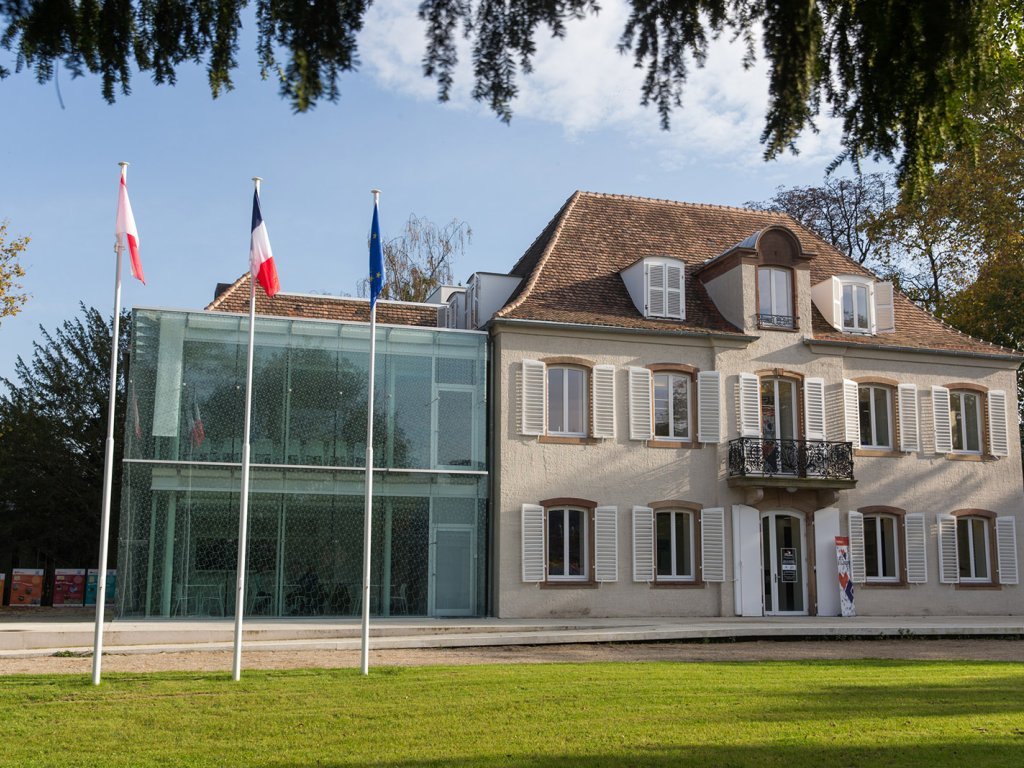
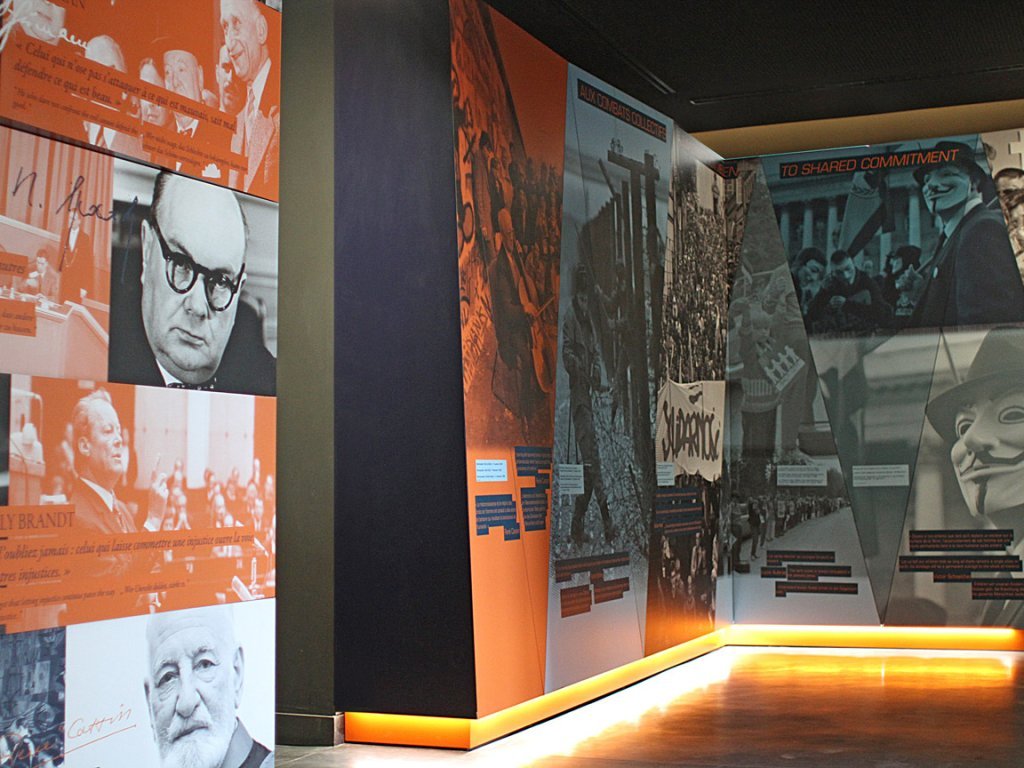
Whilst in the European Quarter, be sure to take in the highly symbolic architecture of other European institutions, such as the Council of Europe and the European Court of Human Rights, before heading to the Lieu d’Europe. There, you can learn about Europe, its history and its culture, and you’ll leave feeling deeply European!

Read more
-
 Travel diary : As a couple, Culture & Heritage, In town
2 days in Strasbourg: stay in the capital of Alsace
Read more -
 Travel diary : In town
Visit Metz in 2 days: a creative and modern escape on arrival!
Read more -
 :
UNESCO: travel back in time at listed sites in Grand Est
Read more -
 Large format : Around wine, Campagne, Culture & Heritage, EstSideStory, Events, Gastronomy, Spring
The ‘Petites Cités de Caractère®’ of the Grand Est region
Read more