


Rechercher un lieu, une activité...
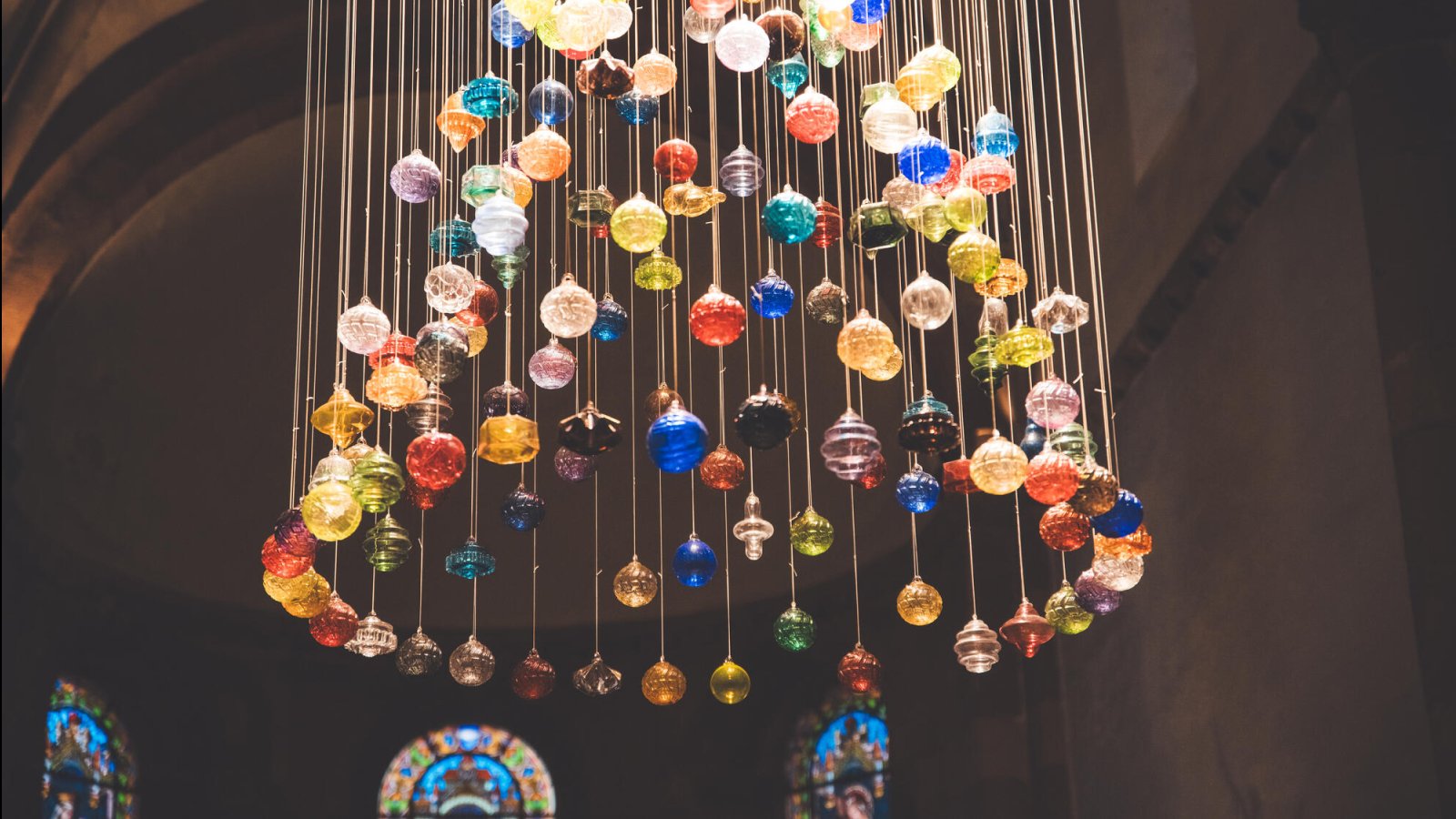
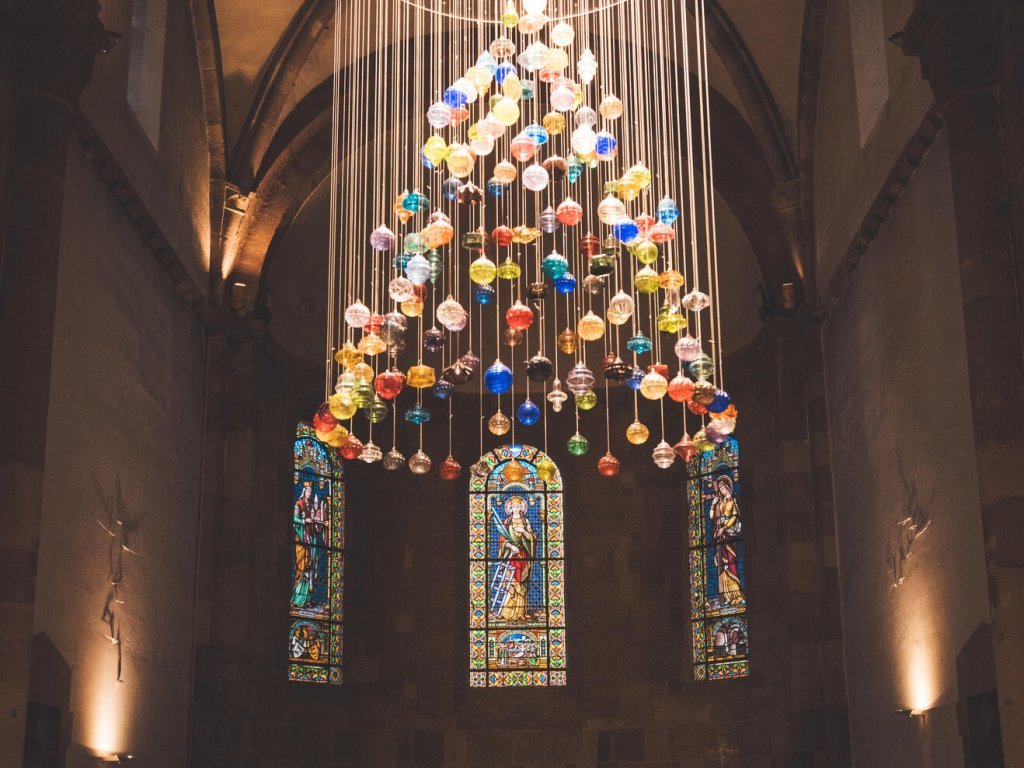
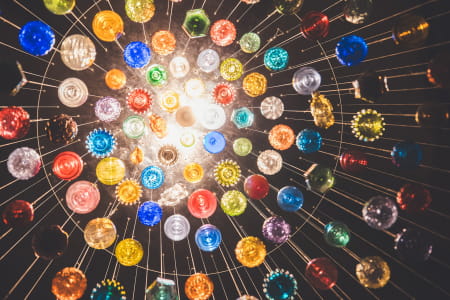
Sapin en boules de Meisenthal Sélestat

Sélestat and the origins of the Christmas tree

Head to Sélestat, the birthplace of the Christmas tree, for a journey into the heart of Alsatian Christmas traditions! It was here that the tradition of the Christmas tree began, a tradition that has since become the universal symbol of the festive season. Let yourself be swept away by the town’s cosy atmosphere, where every cobbled alleyway is lit up to tell the story of centuries of tradition. From the intimate Christmas market to the dazzling display of hanging Christmas trees, Sélestat promises you an enchanting, timeless escape in Alsace!

Sapin de Noël suspendu à Sélestat
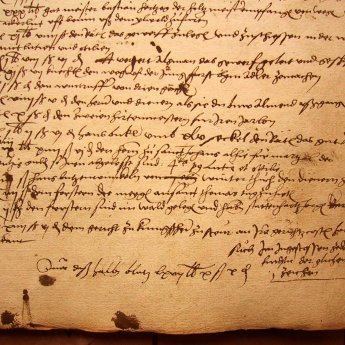
Mention écrite de l'Arbre de Noël en 1521

The origins of the Christmas tree tradition

Did you know that the Christmas tree has its distant origins in the pagan traditions of celebrating the winter solstice? In the past, evergreen trees were seen as symbols of life in the midst of winter. They were revered for ensuring the long-awaited return of spring.

Over the centuries, this tradition has evolved into the unmissable ritual we know today.

  • The first written reference to a Christmas tree dates back to the early 16th century, in a register from the town of Sélestat in Alsace.
  • By the 17th century, the custom had become widespread in the region. The trees were decorated with apples, sweets and paper flowers.
  • The tradition then spread to Germany, then to the English court, before crossing the Atlantic with European immigrants and spreading throughout the world in the 20th century (bringing with it the first electric fairy lights).

Visiting Sélestat at Christmas

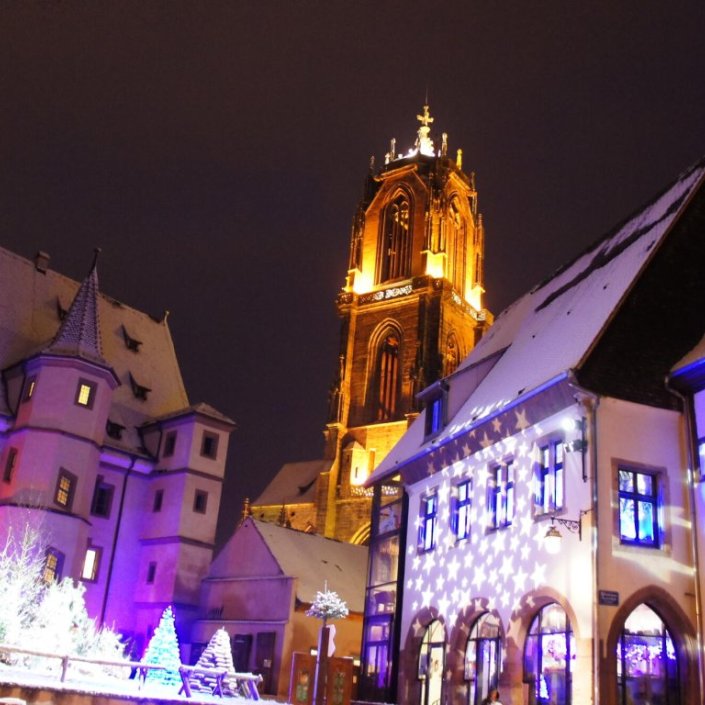
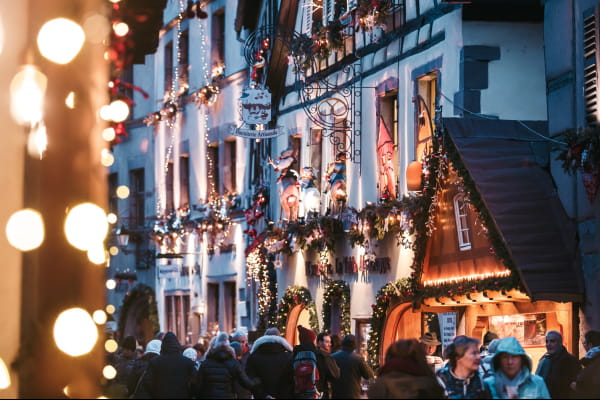
Visiting Sélestat during the Christmas season has a very special charm, as the town is considered the historic birthplace of the Christmas tree! The Christmas market takes place every year from late November to late December. The atmosphere is authentic, warm and deeply rooted in Alsatian traditions. Take the time to stroll through the historic centre with its cobbled streets, lined with half-timbered houses, and let yourself be charmed by this intimate and magical atmosphere!

Must-see attractions in Sélestat at Christmas

  • The exhibition of suspended Christmas trees: This is Sélestat’s star attraction during the festive season! Suspended in the nave of Saint-Georges Church, several Christmas trees appear to levitate majestically. This spectacular display is inspired by a medieval tradition, which involved hanging a fir tree from the ceiling as a reference to the Tree of Life in Paradise. An exhibition also traces the evolution of Christmas decorations through the centuries.
  • The Christmas market: The stalls at the Sélestat Christmas market showcase local crafts, unique creations and traditional Alsatian produce. On a cosy, intimate scale, this Alsatian market is renowned for its arts and crafts and its friendly atmosphere, far from the crowds. An ideal opportunity to take a leisurely stroll with family or friends.
  • The Humanist Library: Well worth a visit if you’d like to see for yourself the famous 1521 register mentioning the very first Christmas tree. Not to mention the building’s remarkable architecture and its priceless collections!

Sample Christmas specialities in Sélestat

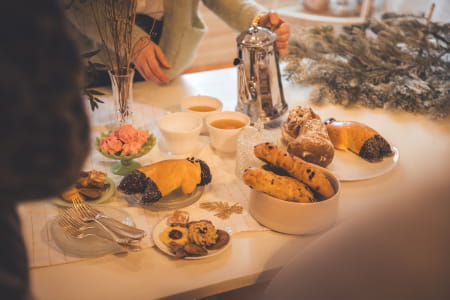
A gourmet break is an integral part of the Christmas experience in Alsace! Take the time to sip some mulled wine with citrus and spices to warm you up and enjoy a crispy tarte flambée on the go. A hearty serving of choucroute garnie is also a classic way to battle the winter chill! And you simply can’t leave without trying some bredeles, those delicious traditional Christmas biscuits.

Exposition de sapins de Noël suspendus à Sélestat
Boisson chaude au marché de noel de sélestat
Marché de Noël à Sélestat
Jus de pomme chaud au marché de noël de Sélestat

The history of Christmas baubles and other traditional decorations

True family treasures accumulated over the years, Christmas decorations form part of families’ emotional memories. It’s always a deeply moving experience to unpack them year after year to decorate the tree and the house! Beyond their decorative charm, traditional Christmas ornaments have a rich historical heritage, rooted in the craft of glassmaking and folk legends.

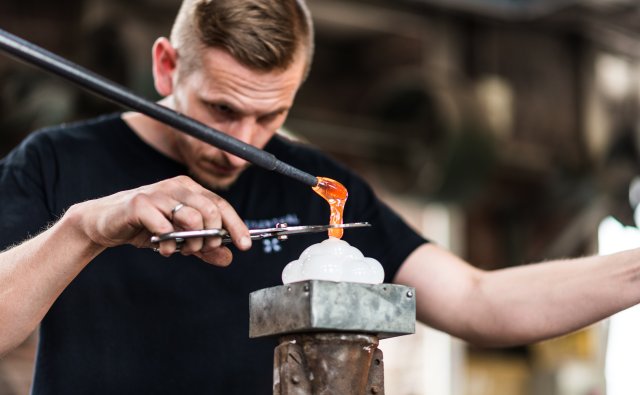
Soufflage des boules de Noël en verre à Meisenthal

Christmas baubles and Meisenthal glass

Legend has it that in 1858, a severe drought deprived Alsace and the Moselle of fruit, preventing their inhabitants from decorating their Christmas trees with apples. To replace the missing decorations, a glassmaker from Meisenthal – a small village in the Moselle region situated in the heart of the Northern Vosges Nature Park – came up with the idea of blowing glass baubles to imitate the fruit. The famous Meisenthal baubles were born!

Good to know: The Meisenthal glassworks has immortalised this precious craft. Every year, it keeps the tradition alive by creating a new Christmas bauble with a contemporary design, mouth-blown by master glassmakers using time-honoured techniques. A real gem that collectors from all over the world eagerly await!

Sapin de noel guirlande

Other traditional ornaments

- The crest and the star: Placed at the top of the Christmas tree, the star symbolises the star that guided the Three Wise Men in Christian tradition. It is sometimes replaced by an arrow or a crest, a very popular decoration in Central Europe.
- Sugar and gingerbread figures: Christmas biscuits and little gingerbread men are reminiscent of the offerings that pagan peoples would hang on sacred trees during winter solstice celebrations.
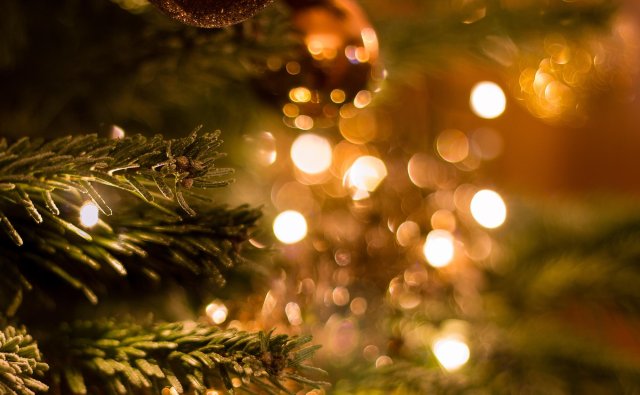
- Garlands and candles: Originally, real candles were attached to the branches of the fir tree to decorate it at Christmas. This practice was quickly abandoned due to the risk of fire and replaced in the 20th century by fairy lights, which now light up our living rooms!

Sapin de noel kleber strasbourg

The most beautiful Christmas trees in the Grand Est

Experience an authentic Christmas in the heart of the Grand Est and rediscover the magic of time-honoured traditions where nature and heritage come together. The region showcases spectacular and iconic Christmas trees that are sure to fill you with wonder!

  • The Grand Sapin in Strasbourg: Place Kléber
    This is undoubtedly the region’s most famous Christmas tree. Standing around 30 metres tall, this majestic natural fir is carefully selected each year from the Vosges forests before taking pride of place in Strasbourg city centre. Its illuminations and enchanting decorations bring a sparkle to the eyes of young and old alike!
  • Nancy: Place Stanislas
    From St Nicholas’ Day onwards, Nancy’s famous PlaceStanislasis aglow with a thousand lights and hosts a beautiful Christmas tree, set off to perfection by its golden railings and architecture listed as a UNESCO World Heritage Site.
  • Metz: Place de la République
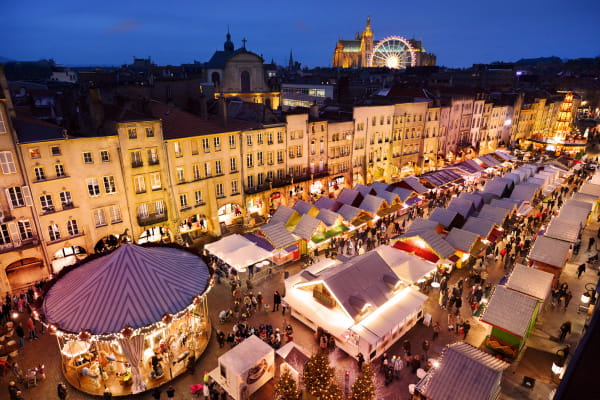
    This huge fir tree towers over the chalets at Metz’s Christmas market and Saint-Étienne Cathedral! You can admire it as you wander along the magical illuminated trail and the famous Sentier des Lanternes.
  • Reims: Place d’Erlon
    Standing on this vast pedestrian esplanade in Reims (one of the longest in France), the decorated Christmas tree, nearly 20 metres tall, lights up the ‘Cité des Sacres’ and its Christmas market.
  • Charleville-Mézières: Place Ducale
    In the heart of the Ardennes, the sumptuous Place Ducale hosts a Christmas tree around 20 metres tall every winter. Nestled between the pink sandstone arcades and the Christmas market chalets, it offers a particularly photogenic setting for celebrating the festive season.

*Excessive alcohol consumption is harmful to your health; please drink in moderation

FAQ: your questions about Sélestat and the origins of the Christmas tree

The first Christmas tree ever mentioned appears in a register of the town of Sélestat in Alsace. The document states that forest rangers were granted permission to cut down fir trees for the festive season.

The tradition of the Christmas tree has its roots in Alsatian culture. At that time, fir trees were hung up or placed on tables, then decorated with apples, sweets and paper flowers. It then spread to Germany, and subsequently to the English court thanks to a prince of German origin. It finally crossed the Atlantic with European immigrants before spreading throughout the world in the 20th century, coinciding with the emergence of the first electric fairy lights.

The Christmas tree has its origins in antiquity, when evergreen trees – symbols of life and renewal – were decorated to celebrate the winter solstice. Christian culture adopted this tradition in the Middle Ages, particularly in Alsace from the 16th century onwards, where the fir tree became the symbol of the Tree of Paradise celebrated on Christmas Eve.

The Grand Sapin in Strasbourg is undoubtedly the most majestic, closely followed by those in Nancy, Metz and Reims. Other authentic Christmas trees are also well worth a visit: those in Colmar, which adorn the picturesque neighbourhoods, or those in Kaysersberg and other Alsatian villages, which light up the footpaths and market squares. Don’t miss the giant sequoia in Vic-sur-Seille, in the Moselle, which can be seen from a distance!

The Christmas bauble originally represented the red apples hanging from the Tree of Paradise. Placed at the very top of the Christmas tree, the shining star recalls the star that guided the Three Wise Men. Fairy lights have replaced the candles of yesteryear, symbolising light that brings warmth and comfort during the December nights. Finally, biscuits and toffee figures evoke the festive treats and the spirit of generosity within the family.

This year, the Sélestat Christmas market will take place from 20 November to 27 December 2026 inclusive.

Opening hours vary depending on the day:

Sunday to Thursday from 11.00 am to 7.00 pm
Fridays and Saturdays from 11.00 am to 8.00 pm
Thursday 24 December: 11.00 am to 4.00 pm
Saturday 26 December: from 2 pm to 6 pm
Please note that the market will be closed on Friday 25 December 2026