
Large format :
Culture & Heritage
On the Organ Trail in the Ardennes
The Ardennes are dotted with churches, many of which house organs that are listed or designated as historic monuments. Whether with your family, as a couple or on your own, step inside and discover them for yourself!

Mouzon
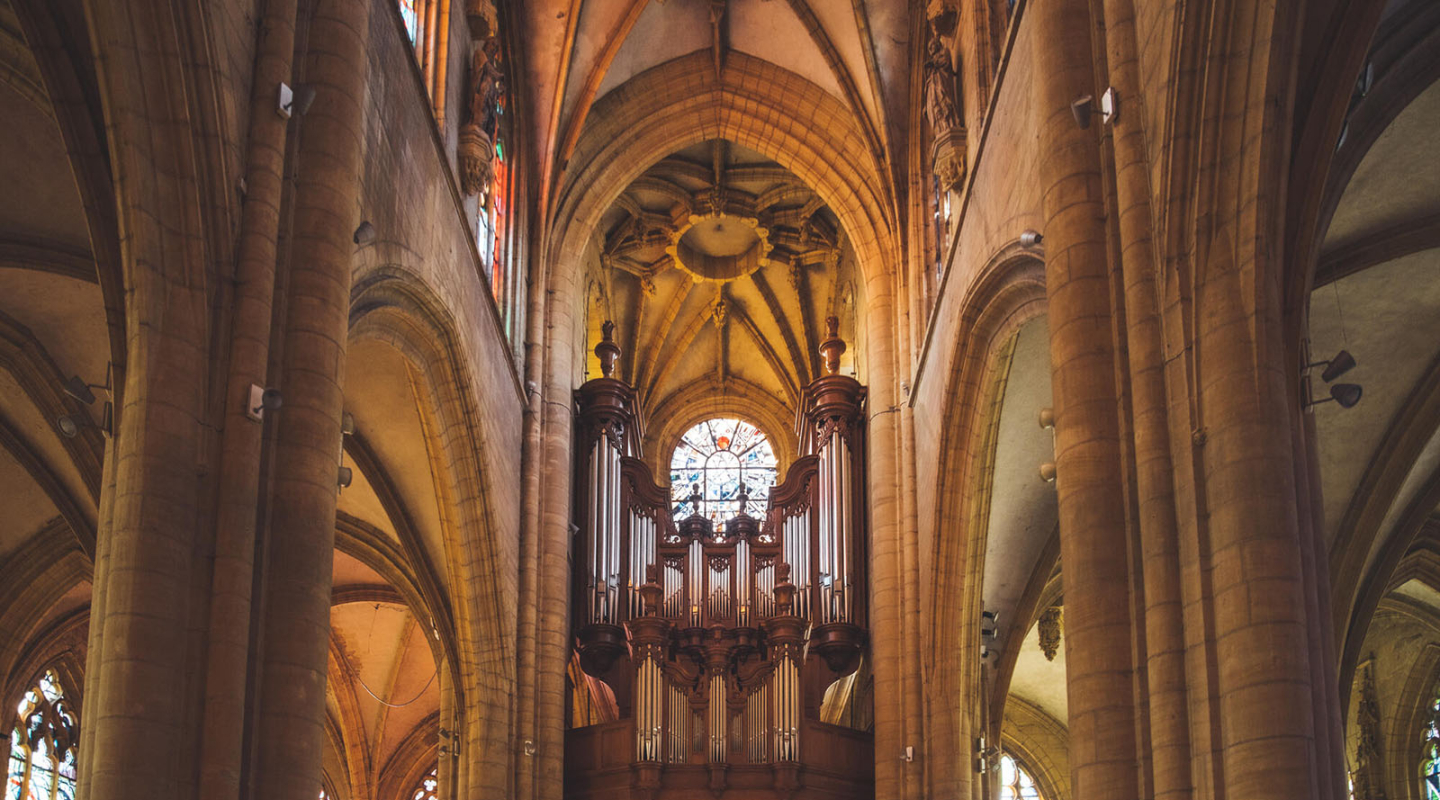
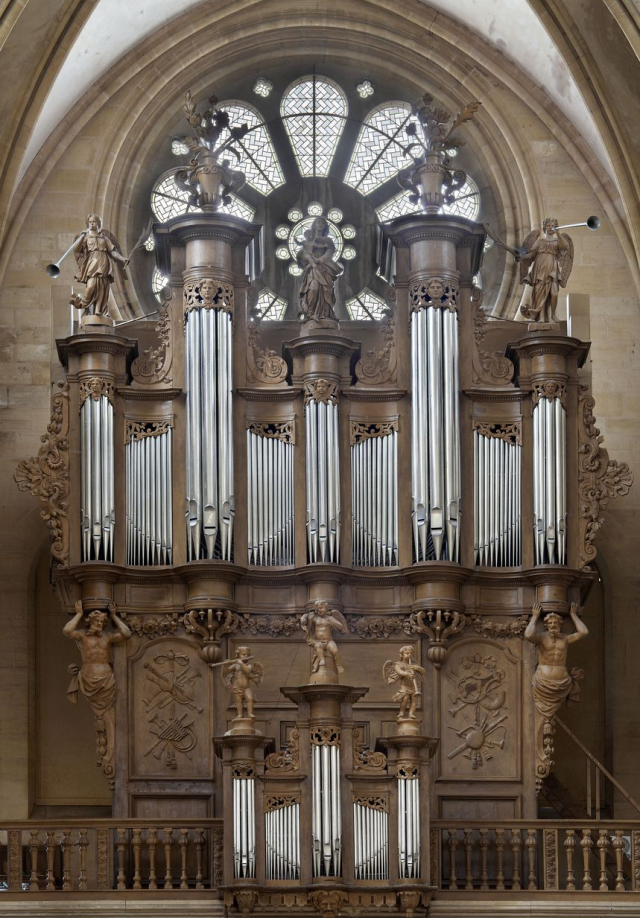
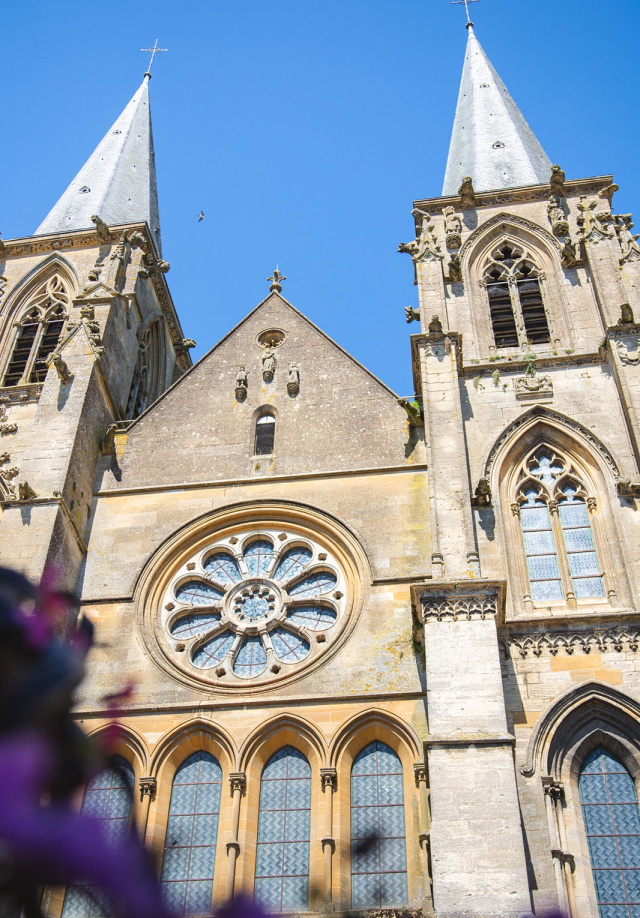
In Mouzon, within the abbey church of Notre-Dame, nicknamed the ‘cathedral of the fields’, several organs reveal their full splendour. The Great Organ – the largest in the Ardennes – was commissioned in 1723 by Benedictine monks and completed in 1725 by the famous organ builder Christophe Moucherel; it has 44 stops, spread across four manuals and a pedalboard. The building also houses a second organ with four stops, situated in the chancel.
A few metres away, once you’ve crossed the Meuse,the Church of Sainte-Geneviève invites you to admire its Neapolitan organ, which dates from the late 18th century. Don’t forget to look up and admire the church’s stained-glass windows!
Things to see in the surrounding area
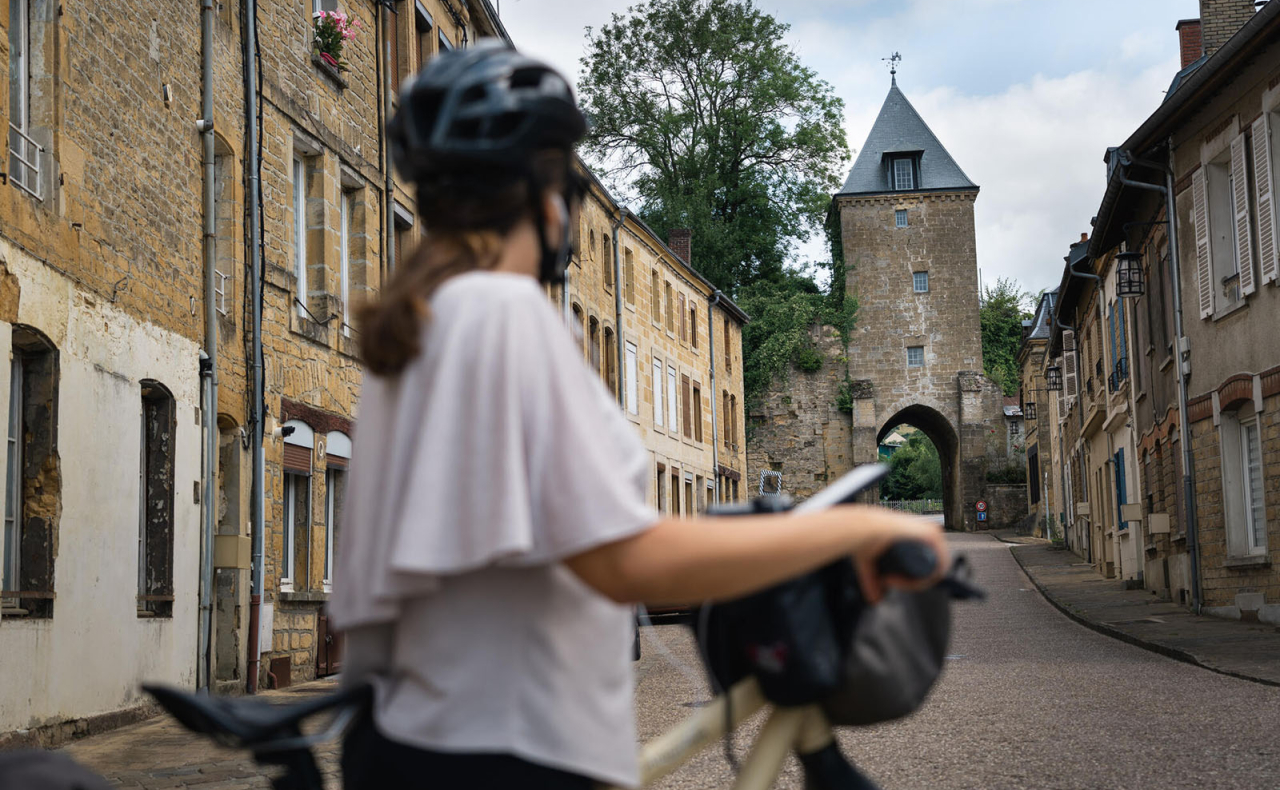
After visiting the churches in Mouzon, why not take the opportunity to explore some of the town’s other attractions: its ramparts, notably the Porte de Bourgogne, as well as the Felt Museum, which showcases this textile in tribute to the last French wool felt factory, which was once located in the town. Don’t miss the Trans-Ardennes Greenway either, a 130-kilometre cycle route that starts in Mouzon and runs alongside the River Meuse.
-
Trip ideas From190,00 €
Package Silentio – Wellness and gastronomy at Château Wallerand
-
From90,00 €
Poetic night at Le Dormeur du Val
-
From862,00 €
Au Château de Charbogne in the Corps de Logis holiday home
-
From190,00 €
Ô Rethel Jacuzzi
-
Trip ideas From190,00 €
Nature escape and relaxation in the Ardennes: Parc Argonne Découverte-Ô Rethel Jacuzzi
-
From99,00 €
Hôtel Le Château Fort Sedan
-
From110,00 €
Holiday home Intérieur Spa in the Ardennes
-
From943,00 €
Château de Charbogne – The watchtower holiday home
-
From590,00 €
A haven of peace for a sustainable vacation in the French Ardennes
-
From4500,00 €
Exceptional stay at the Comme au Canada lodge – 20 people
-
From21,00 €
Domaine d’Haulmé Campsite
-
From195,00 €
An unusual stay in a former powder magazine
-
From239,00 €
Gite Chez Henriette
-
Trip ideas From419,00 €
Package Dulcia: Romantic, gourmet and well-being getaway in the Ardennes
-
From62,00 €
La Malterie, Aubrives brewery Holiday home


Donchery
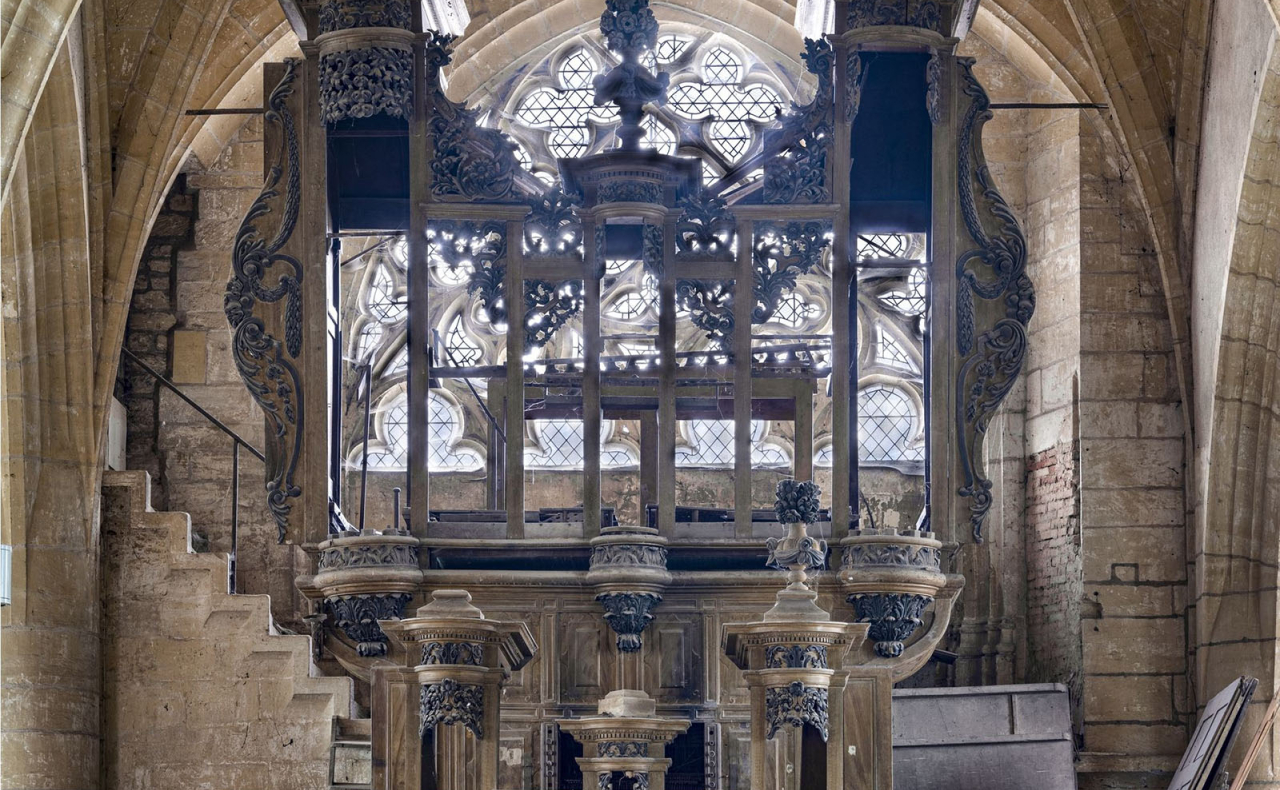
Twenty kilometres further on, we step inside the Church of Saint-Onésime in Donchery, another unmissable stop on the organ trail. Spacious and bathed in light, it houses an organ built from 1702 onwards by the Sedan-based organ builder Jean Boizard. Its case is impressive for its size and its ornate details: turrets, garlands, sculptures… As you look at it, you’ll notice that it has no pipes… which is rather odd for an organ! During the First World War, they were requisitioned by the German army to make weapons. A restoration project is currently underway to restore the instrument’s ability to produce sound.
Things to see in the surrounding area
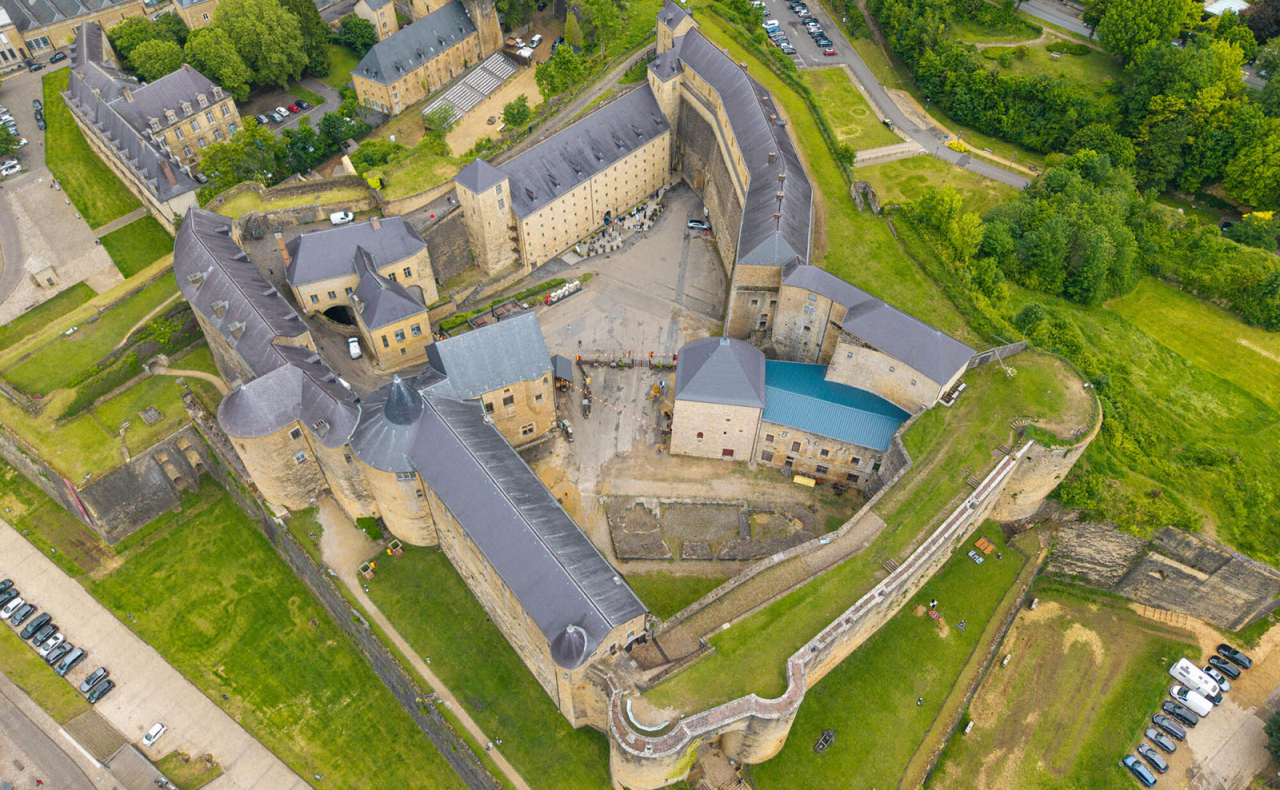
Just a stone’s throw from Donchery, you can also enjoy discovering or rediscovering Sedan Castle, the largest in Europe! Covering an area of 35,000 hectares, this imposing fortress stands in the heart of the town and offers a fascinating insight into history.
For an outing in the great outdoors, head for the idyllic setting along the banks of the Meuse. Explore the area on foot, by bike or on rollerblades, following the river!
Charleville-Mézières
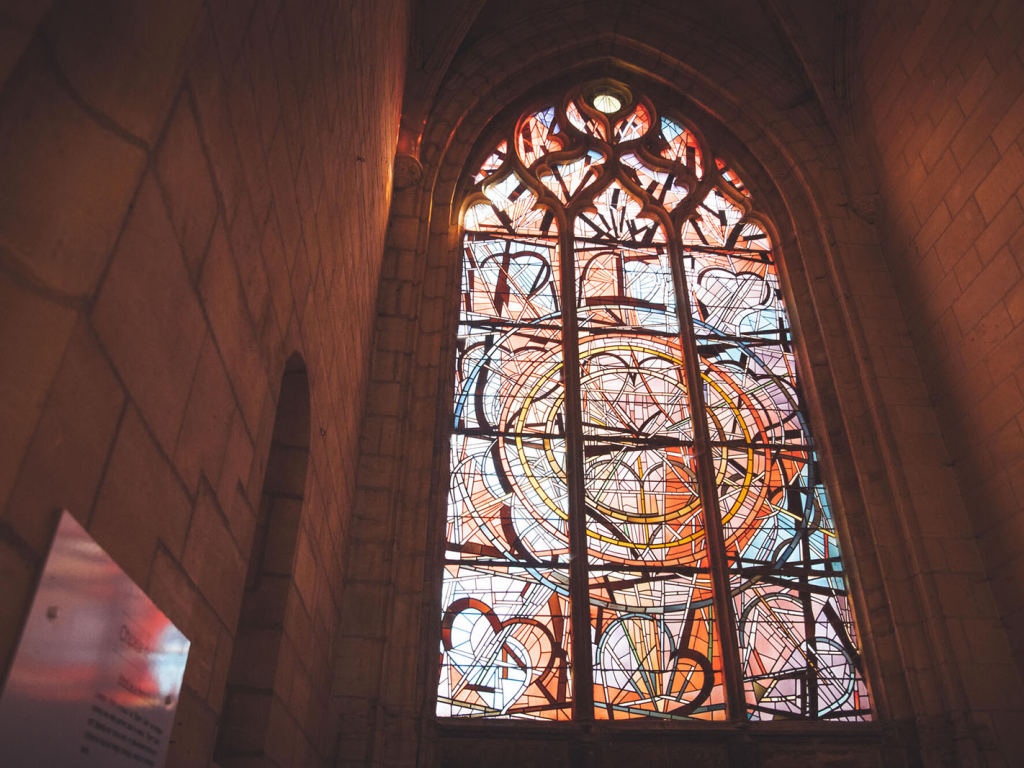
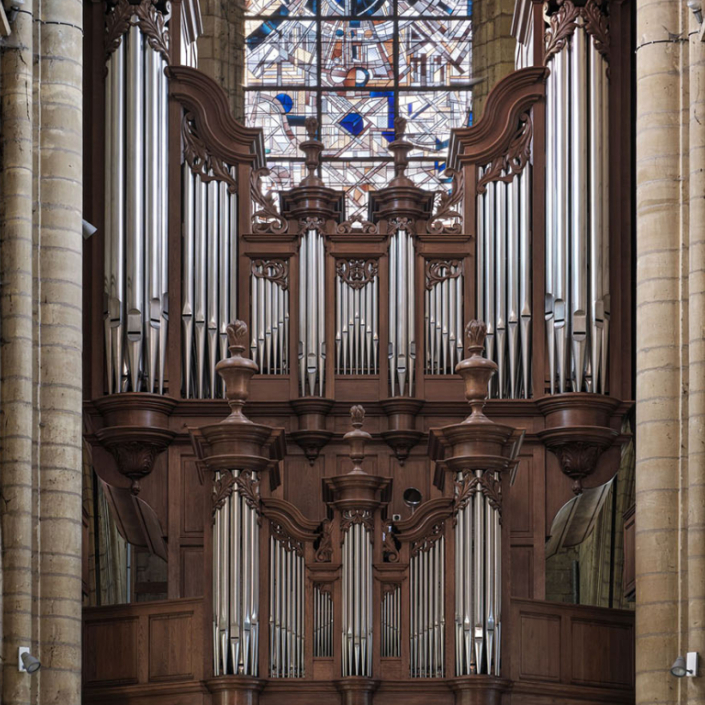
Our itinerary along the Ardennes Organ Trail continues a little further north, to Charleville-Mézières. At the heart of the Basilica of Notre-Dame-d’Espérance stands a magnificent organ, built in 1997 by the Koenig organ-building firm in Sarre-Union, Alsace. With its 40 stops spread across three manuals and a pedalboard, it is a true treasure inspired by the great French and German Baroque traditions. It offers a rich tonal palette, making it one of the most renowned concert organs in the Ardennes. It is particularly prized for its renditions of the works of Johann Sebastian Bach!
Things to see in the surrounding area
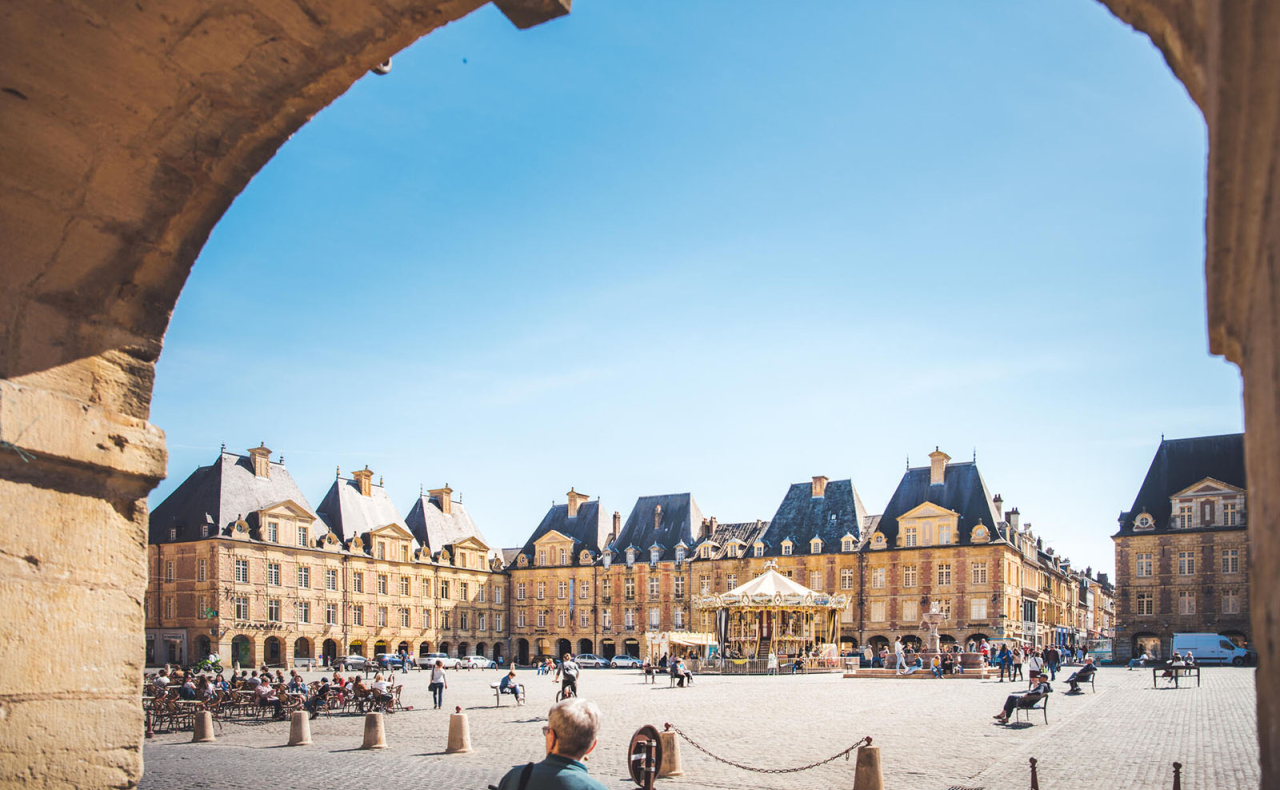
Charleville-Mézières boasts a rich historical heritage. During our getaway, we’ll stroll around the Place Ducale, built in the 17th century, and up Mont Olympe, a wooded hill, and we’ll treat ourselves to a visit to one of the museums: the Rimbaud Museum, the Ardennes Museum or the Musée des Ailleurs. So many places to explore during a weekend in the Ardennes!
Fumay
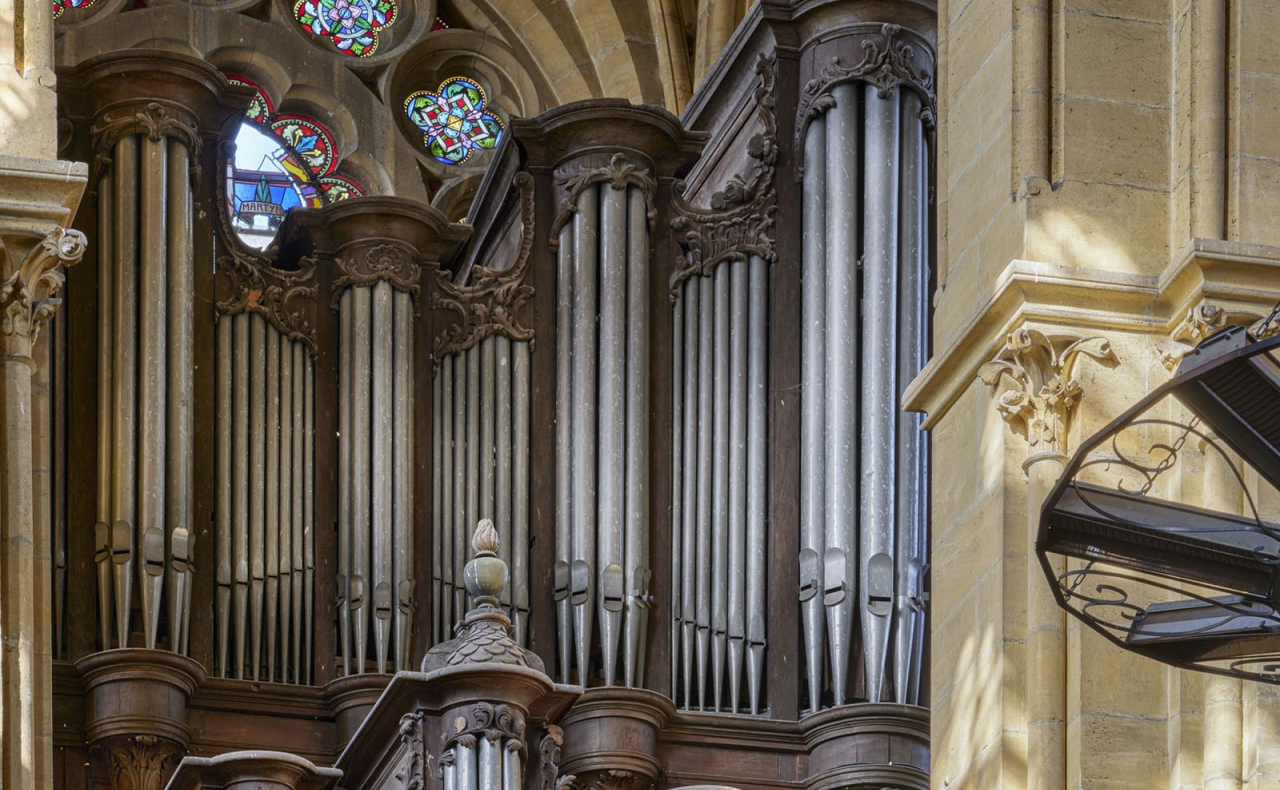
In Fumay, we discover an organ that dominates Saint-Georges Church, nestled behind imposing columns and a balustrade that immediately catch the eye. This instrument was crafted by several artisans: a rocaille case carved by the cabinetmaker Jacques Fonder of Couvin, 23 stops installed in 1782 by Michel Kerst… It was subsequently rebuilt in 1894 by Clovis Renault, founder of the famous dynasty of organ builders from the Ardennes, before its pipes were replaced by Pol and Edmond Renault after the First World War.
Things to see in the surrounding area
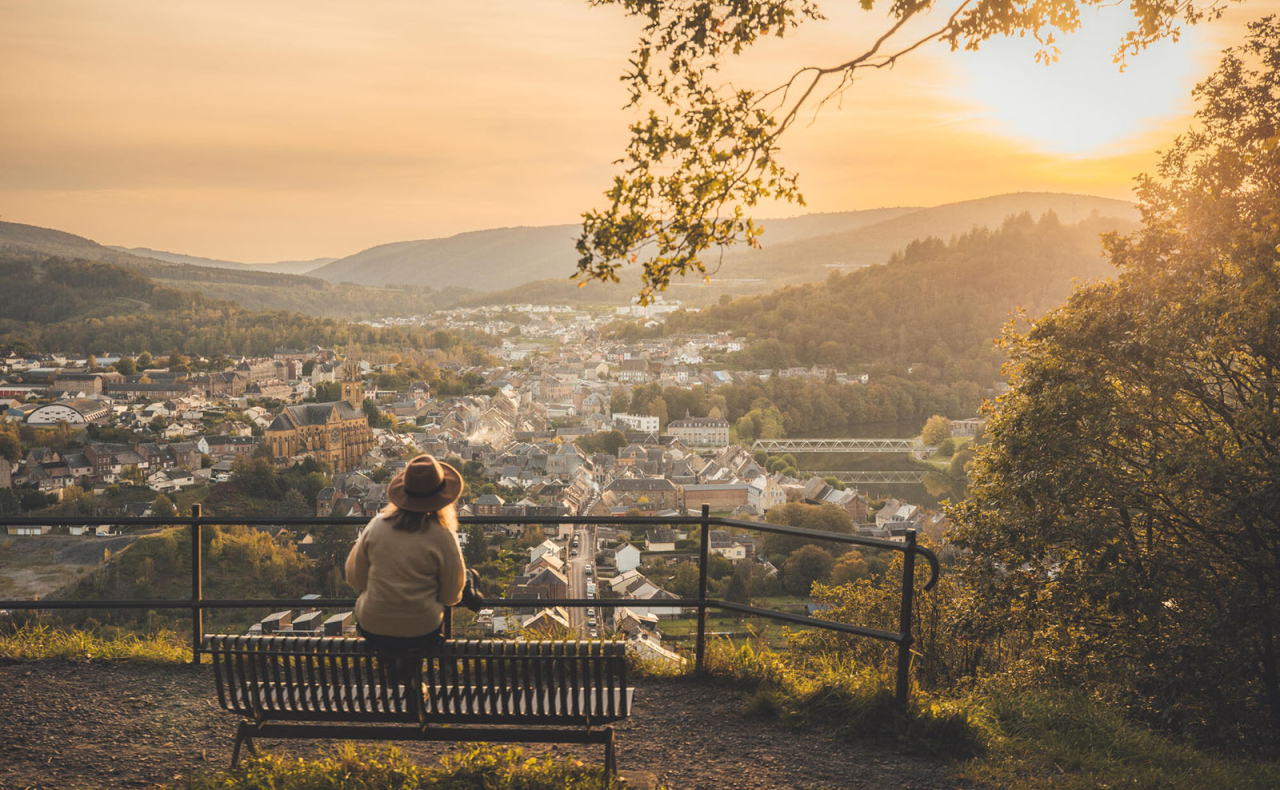
Still in Fumay, we delve into the history of the slate-mining heritage, which is closely linked to the town: slate was quarried here from the 12th to the 13th century. The Slate Route, which stretches from Rimogne to Haut-Martelange in the Luxembourg Ardennes, passes through Fumay and the neighbouring village of Haybes, allowing us to explore numerous slate-related sites. We take the opportunity to put on our walking boots and set off on the ‘Ardoises et Légendes’ trail, a 6.7-kilometre walking route offering some charming views.
Givet
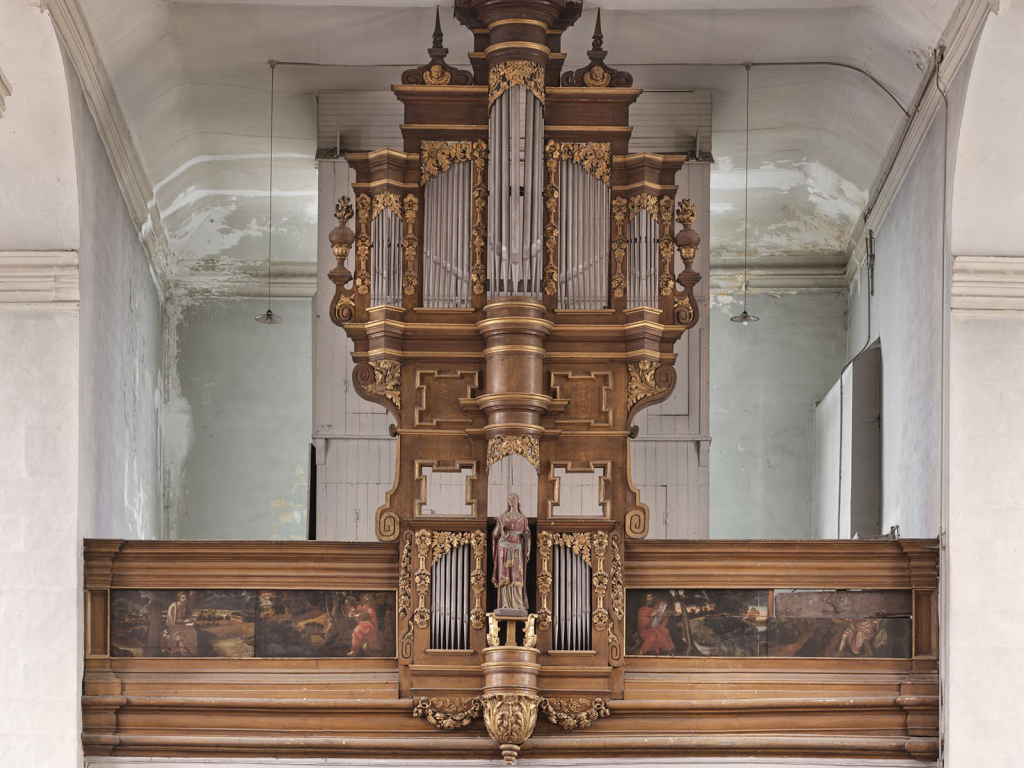
In the far north of the Ardennes, on the border with Belgium, Givet is our final stop on the organ trail. We enter Saint-Hilaire Church to admire its organ, which features a case with Flemish influences, adorned with trompe-l’œil decoration that conceals a more recent instrument. The gallery and the case form an inseparable whole – a rare feature!
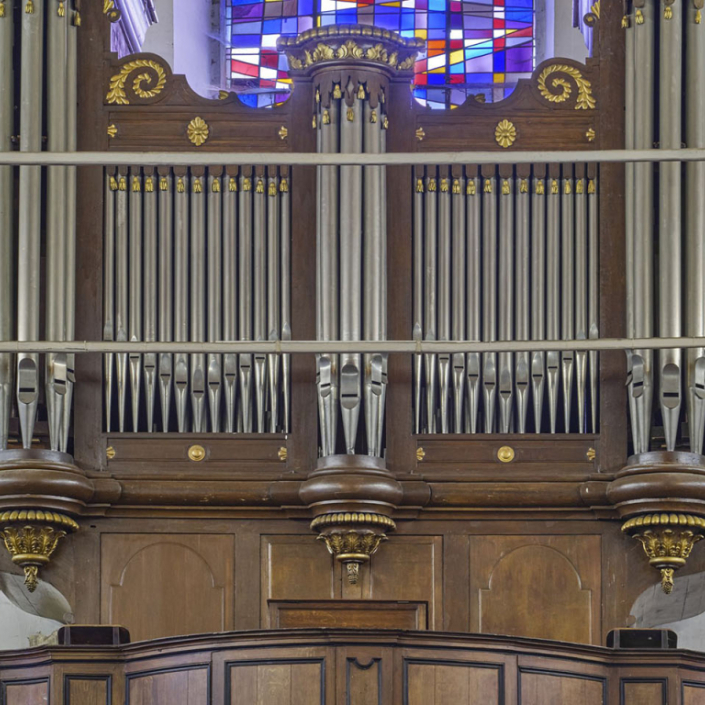
A few metres further on, on the opposite bank of the Canal de l’Est, we come across another church with a remarkable organ: the Church of Notre-Dame. Built in 1868 by Aristide Cavaillé-Coll, a leading figure in 19th-century French organ-building, the instrument has two manuals and a pedalboard. Its history is marked by an anecdote: during the First World War, some of its pipes escaped the German army’s notice, concealed behind the shutters of the expression box. These movable shutters allow the volume of the pipes they enclose to be adjusted.
Things to see in the surrounding area
In Givet, we round off our exploration of the Ardennes’ heritage with Charlemont Fort, the historic centre and its fortifications. For a different perspective, you can follow the Mont d’Haurs trail, a 3-kilometre loop that takes you up to higher ground to enjoy some beautiful panoramic views. And for cycling enthusiasts or those who enjoy walks along the banks of the Meuse, Givet is also the finishing point of the Trans-Ardennes Greenway!
Numerous heritage treasures line this route, as well as other parts of the Ardennes that are a delight to discover as you extend your journey.
And if you’d like to discover more organs in the Ardennes, there’s a book dedicated to them.
Read more
-
 Travel diary : Culture & Heritage, In town
Visit Charleville-Mézières in 48 hours
Read more -
 Large format : Around wine, Campagne, Culture & Heritage, EstSideStory, Events, Gastronomy, Spring
The ‘Petites Cités de Caractère®’ of the Grand Est region
Read more -
 Large format : As a couple, Campagne, Culture & Heritage, EstSideStory, Nature, Out-of-the-ordinary
The Grand Est region with a difference: where art meets nature
Read more -
 :
UNESCO: travel back in time at listed sites in Grand Est
Read more -
 Large format : Autumn, Nature
Autumn escape: the Ardennes forests in Eastern France
Read more