
Top :
Around wine, Gastronomy
Culinary specialities: the must-try dishes of Alsatian cuisine
Fancy a taste of Alsace? Take a seat at the table. Behind every recipe lie traditions, family stories and sometimes even a few anecdotes. Choucroute, tarte flambée, Munster cheese, kouglof or pretzels: here’s our selection of the 10 must-try Alsatian specialities to sample during a stay in the region. These recipes form part ofAlsace’s culinary heritage and showcase the region’s rich gastronomic tradition.

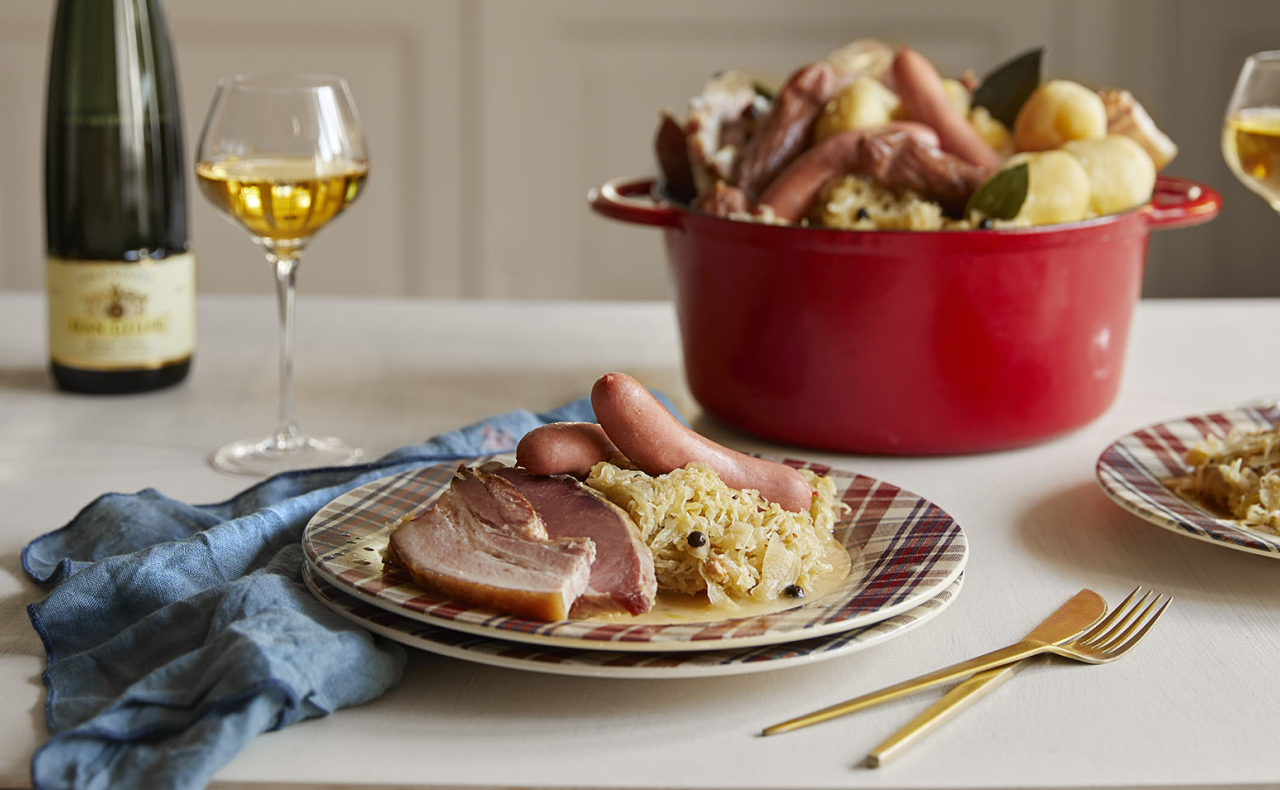
Alsatian sauerkraut
It is impossible to talk about Alsatian specialities without starting with sauerkraut. Whilst it is now inextricably linked with Alsace, its history is said to be much older, dating back to the fermentation techniques used at the time of the construction of the Great Wall of China – three centuries before Christ! Adopted over the centuries in the Upper Rhine region, it has become a true regional symbol. Choucroute garnie is served with pork, charcuterie and potatoes, but can also be served with fish. This iconic dish is one of the specialities we love to enjoy with the family and ranks among the great recipes of Alsace’s culinary heritage.
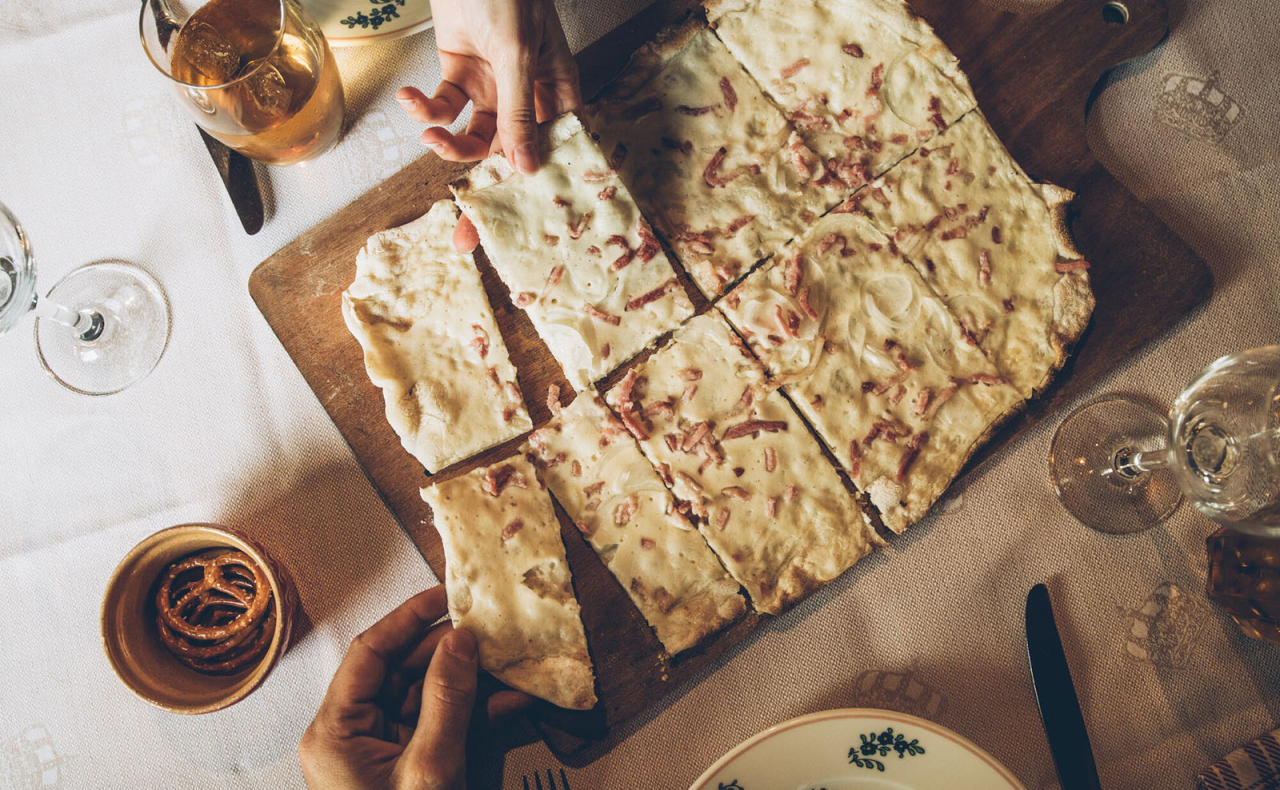
Tarte flambée
Originally, flammekueche was not destined to become a star of Alsatian cuisine. The farmers of the Kochersberg simply used it to test the temperature of the bread oven. A thin base, a little crème fraîche, onions and bacon lardons were all that was needed. Cooked in just a few minutes, it has established itself as the ultimate dish for sharing. It even has its own guild, which lists the best places to try it. This savoury tart, baked over a wood fire, is now one of Alsace’s most famous specialities, which can be enjoyed throughout Alsace but particularly in the Kochersberg region north of Strasbourg, or in the towns along the Alsace Wine Route and around Colmar. The secret to enjoying this dish is to share it whilst eating it with your fingers.
-
From14,00 €
Traditional tour and tasting
-
From59,00 €
Micro-adventure “Vignes et vin en liberté” departing from Colmar on Kut’zig!
-
From30,00 €
Parenthèse Vigneronne – Cheeses & Grand Cru Wines
-
From30,00 €
Wine Parentheses – Wines and chocolates, the perfect match
-
From65,00 €
Immersive cellar visit, wine tasting and Alsatian meal
-
From109,00 €
A cocooning wellness day immersed in nature in the Vosges du Nord
-
From35,00 €
Snowshoe tasting hike
-
Free
Les Estivales au Pays de Haguenau, 130 events and outings this summer
-
From190,00 €
Workshop – Iron-forged Gnome, Vlad the Great!
-
From55,00 €
Alsatian brunch with or without immersive cellar tour
-
From80,00 €
Workshop – hand-forged Christmas decorations
-
From17,00 €
Breakfast in the vineyards
-
From30,00 €
Beerology discovery and tasting session
-
From25,00 €
Enamelled lava workshop, the art of magnifying volcanic stone
-
From69,00 €
Immersive visits, tasting and Christmas dinner at Maison Zeyssolff


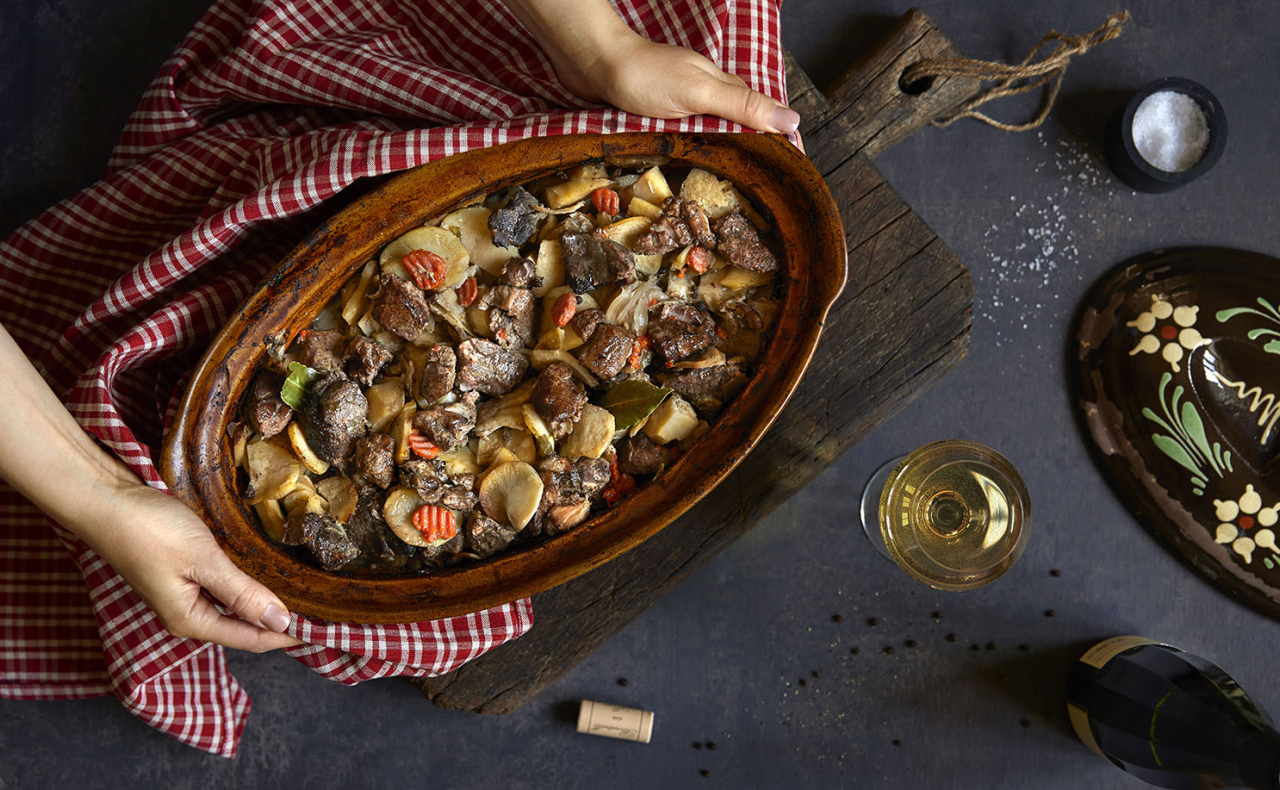
Baeckeoffe
The name of this dish tells the whole story. ‘Baeckeoffe’ literally means ‘baker’s oven’. Traditionally, Alsatian families would prepare their terrine – the famous Backeoffe dishes made from Soufflenheim pottery – before setting off for work and leave it at the baker’s. The baker would then make use of the residual heat from his oven after baking bread. The result? A hearty mixture of marinated meats, potatoes and onions, slowly simmered for several hours. This generous dish reflects the close link between Alsatian cuisine, local produce and family traditions passed down from generation to generation.
Fleischschnacka
Born out of the Alsatian tradition of cooking without wasting leftovers from Sunday’s pot-au-feu, fleischschnacka consist of rolled dough filled with cooked minced meat and then cut into slices, hence their name, which means ‘meat snails’ in Alsatian. Seared in a frying pan before simmering in stock, they epitomise the home cooking of southern Alsace, particularly around Mulhouse, and the recipes passed down through the generations. This speciality perfectly illustrates Alsatian expertise and the art of cooking without waste.
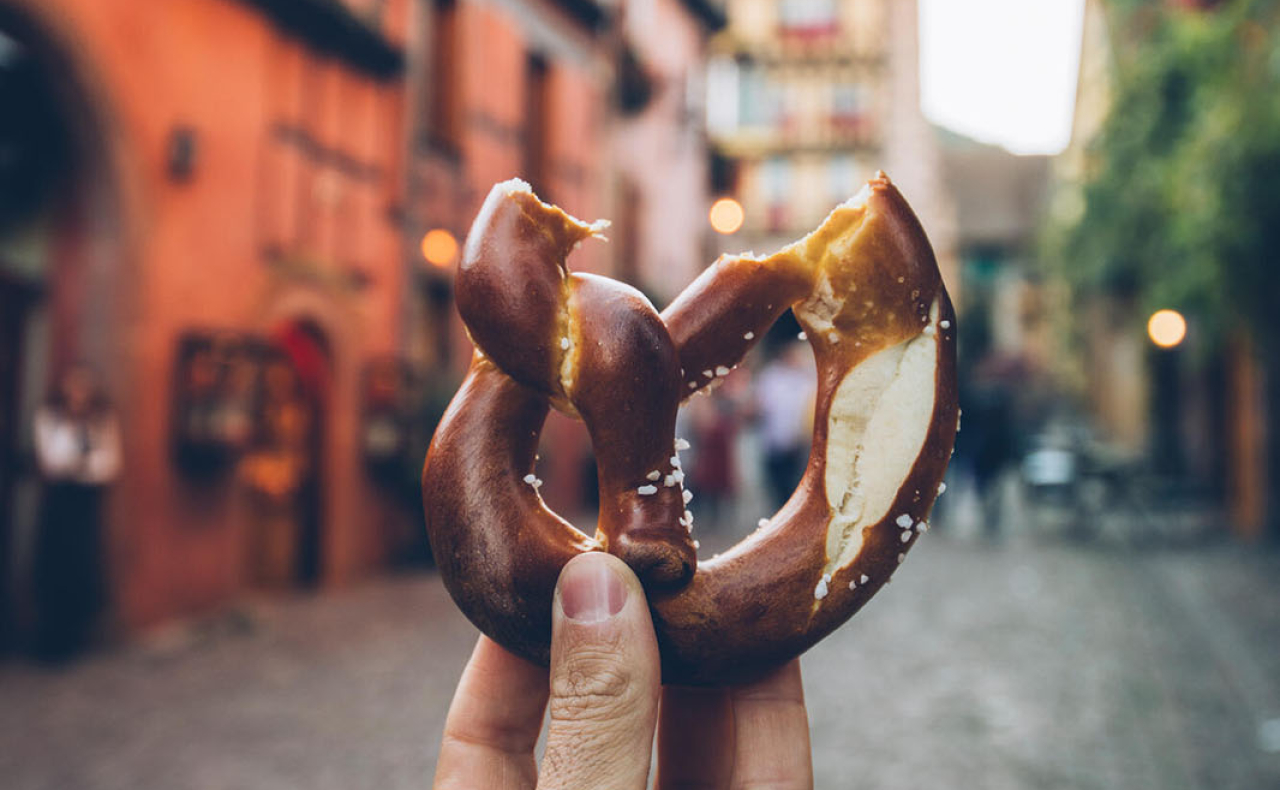
The pretzel
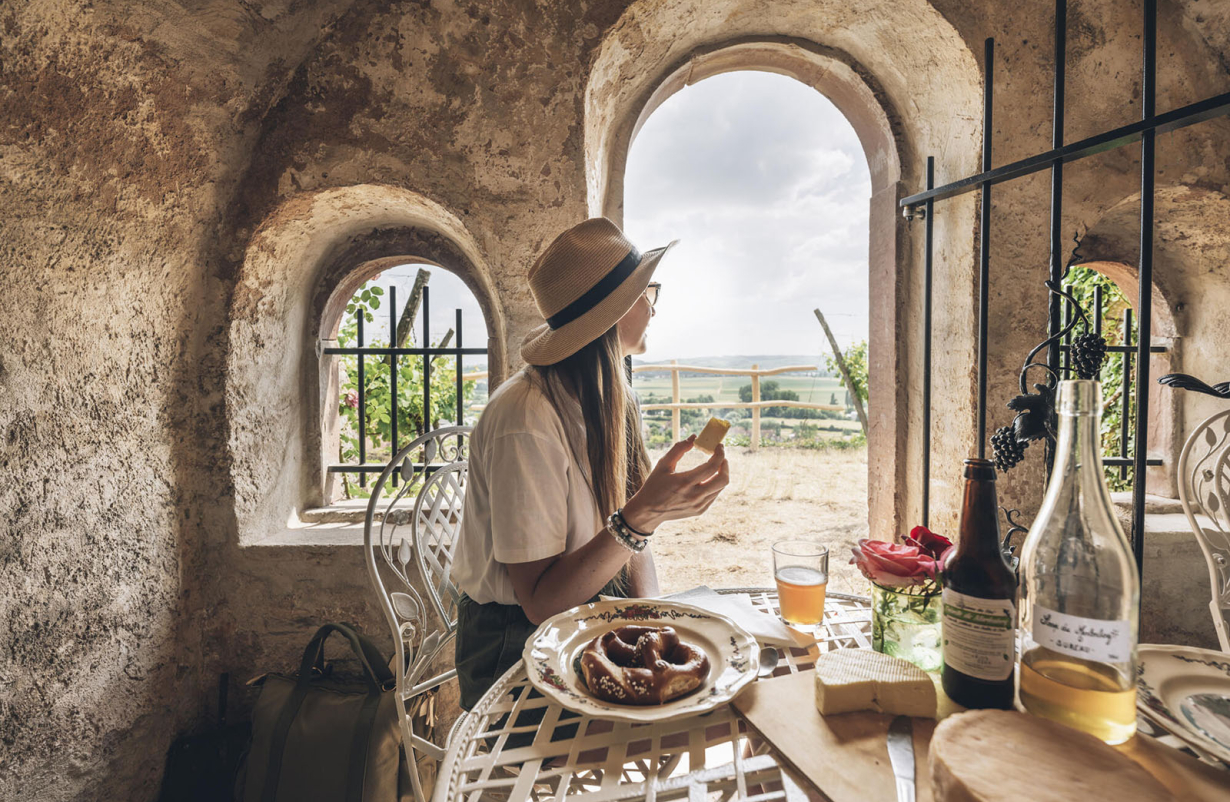
Featured on bakery signs and in the collective imagination, the pretzel has become one of the symbols of Alsace. Several legends attempt to explain its origins, but none is universally accepted. According to the best-known Alsatian legend, it is said that a condemned baker regained his freedom by inventing a bread through which the sun could shine three times. Whether true or not, the story adds to the charm of this savoury speciality, which is instantly recognisable.
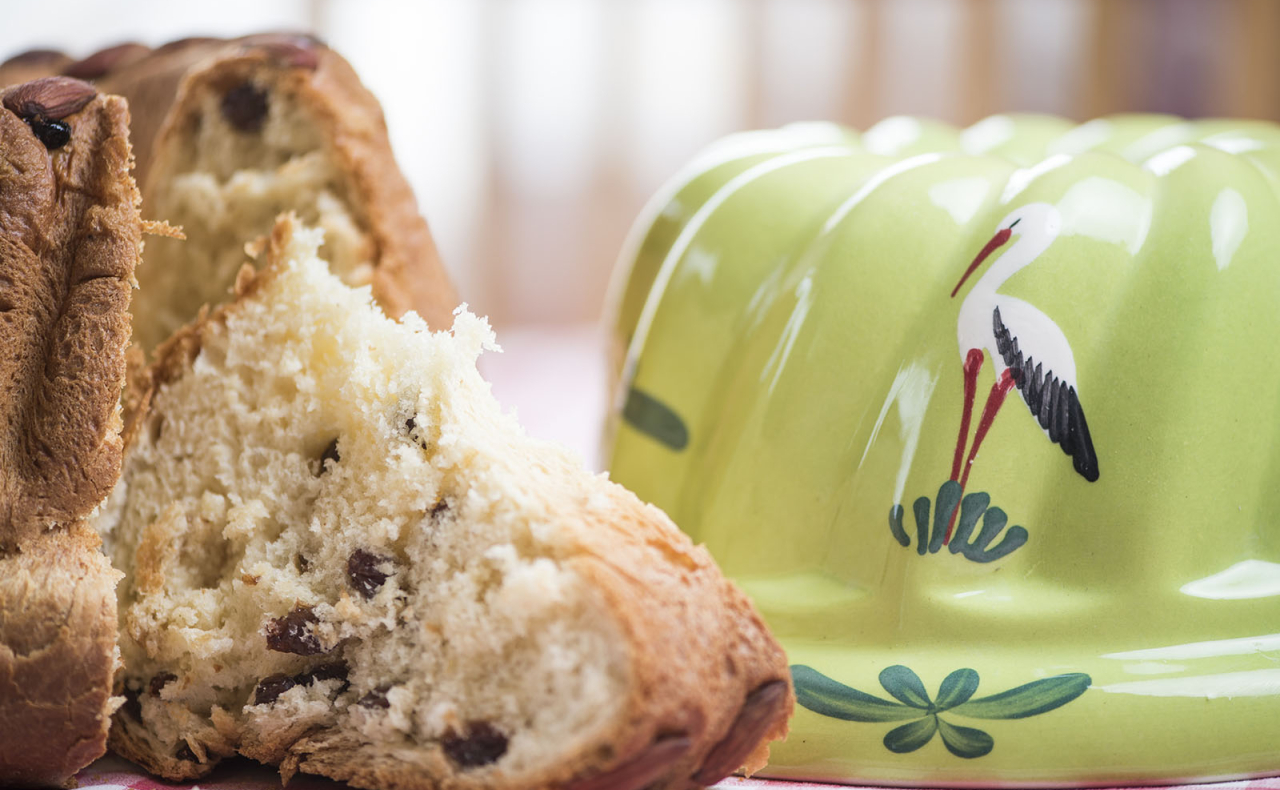
The kouglof
This brioche is one of the iconic dishes of eastern France’s culinary heritage. With its distinctive fluted mould, the kouglof has long been a staple of Alsatian family celebrations. A popular legend even attributes its creation to the Three Wise Men, who are said to have brought the recipe back after their visit to Bethlehem. More likely, this brioche with dried fruit (raisins and almonds) has been a staple of Alsatian kitchens for several centuries. It is enjoyed at breakfast as well as on special occasions, and also comes in a savoury version topped with walnuts, bacon bits and onions.
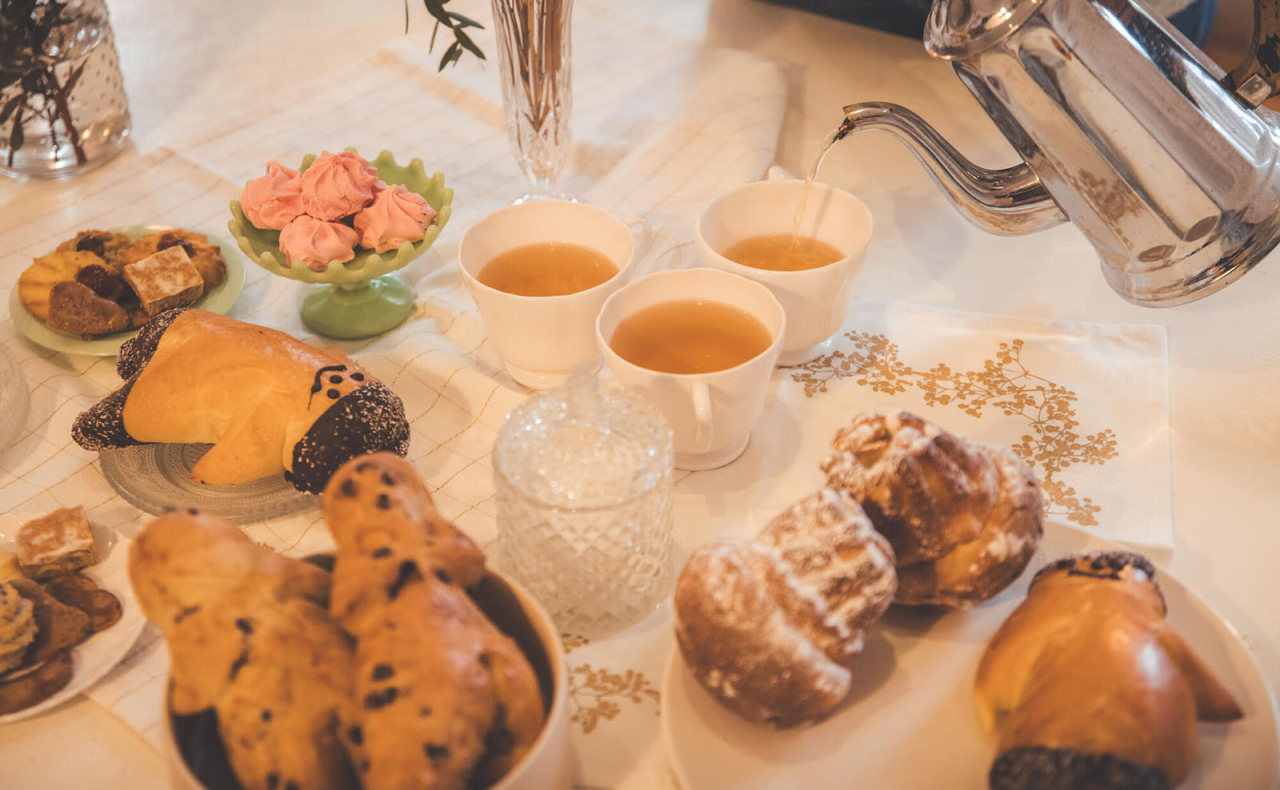
Mannele
As soon as late autumn arrives, they reappear in bakery windows. These little brioche figures are closely associated with the feast of Saint Nicholas. Depending on the version, their shape is said to resemble either the Bishop of Myra or the three children from the famous legend of Saint Nicholas. Known as ‘mannala’ in the Haut-Rhin or ‘mannele’ in the Bas-Rhin, they herald the arrival of the end-of-year festivities and all their Christmas treats every year. They are among the most popular treats and form part of the identity of Alsatian Christmas markets.
Dampfnudel
Although less well known to visitors than sauerkraut or tarte flambée, dampfnudle are well worth a try. These small steamed buns made their way to Alsace from neighbouring German-speaking regions before becoming part of local traditions. Served with soup, compote or jam, they perfectly exemplify this home-style cuisine, where simple recipes are passed down through the generations without ever going out of fashion. They even have their own street food version now, particularly in Strasbourg and at certain Christmas markets.
-
Trip ideas From159,00 €
On the Wine Route – Hôtel La Diligence
-
Trip ideas From320,00 €
Stay for 2 people – Discovering the Grand Crus of Alsace
-
Trip ideas From159,00 €
Tasting stay at Hôtel le Colombier****
-
Trip ideas From263,00 €
Stay & Gourmet Break – Hôtel Spa Husseren Collections
-
Trip ideas From179,00 €
Stay Alsace à la carte
-
Trip ideas From338,00 €
Gourmet getaway for two
-
Trip ideas From310,00 €
Romantic package at Hôtel au Cheval Blanc****
-
Trip ideas From179,00 €
Stay between tradition and tasting in Strasbourg at Hôtel Gutenberg ****
-
Trip ideas From169,00 €
Le plaisir du Vin gift set at Hôtel Le Colombier**** in Obernai
-
Trip ideas From500,00 €
Gift Voucher – Romantic Weekend at Hôtel Au Cheval Blanc
-
Trip ideas From219,00 €
Gift voucher: VIP stay in a premium suite at Domaine Gueth
-
Trip ideas From128,00 €
Happy Family Stay at Hotel Bugatti
-
Trip ideas From334,00 €
Stay 1 night + Dinner ‘Grands Arbres‘ 3 courses
-
Trip ideas From350,00 €
Gastronomic stopover at Hôtel et Spa Régent Petite France
-
Trip ideas From229,00 €
Gourmet Stay at the Hotel Diana Dauphine**** in Strasbourg


Wines and spirits of Alsace
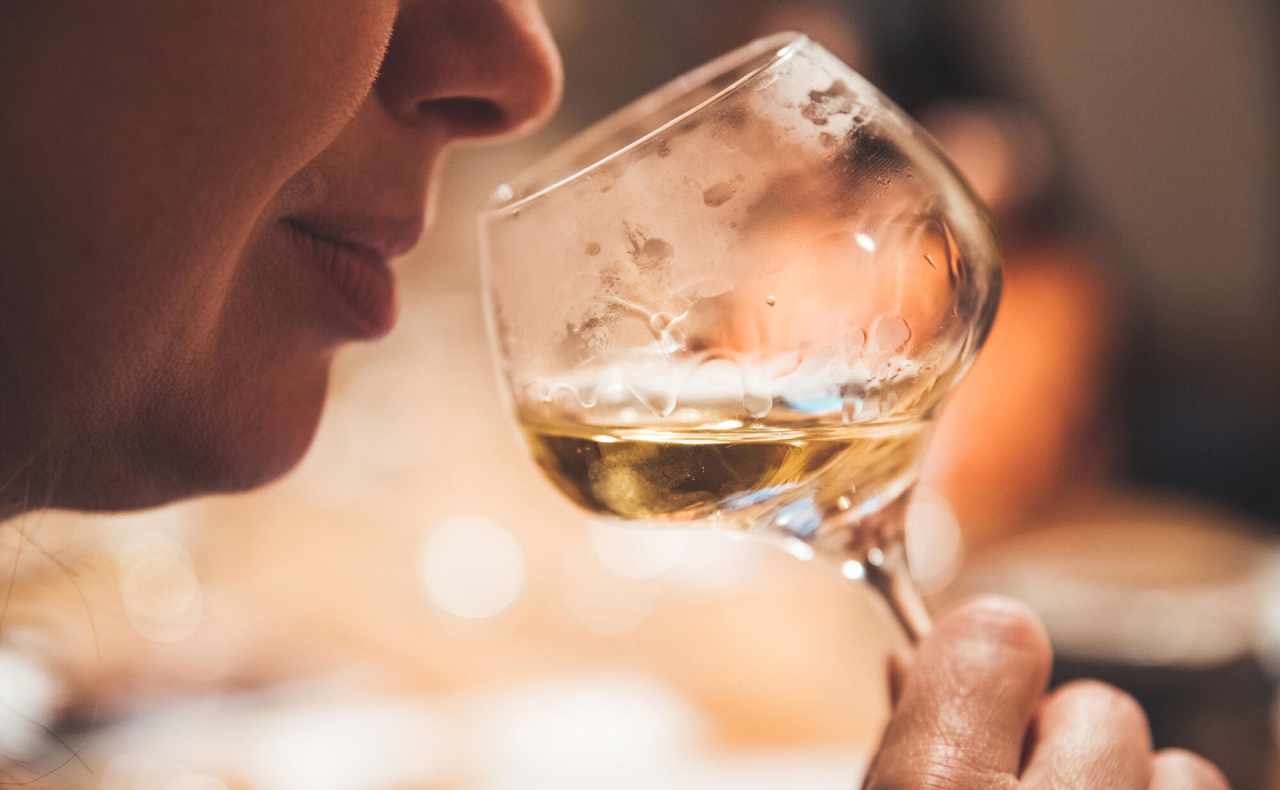
It is difficult to discuss Alsatian specialities without mentioning its iconic drinks. Renowned for its aromatic and mineral white wines, the Alsatian vineyards and their Wine Route run along the eastern foothills of the Vosges Mountains, from north to south. Each wine reflects the unique characteristics of its terroir. Alsace is also known for its fruit brandies and its famous Gewurztraminer Marc, a legacy of expertise passed down through the generations. During your getaway, do take the time to discover the microbreweries and craft breweries that contribute to the region’s rich culinary heritage. These drinks pair perfectly with the many dishes and specialities of Alsatian cuisine, which feature potatoes and cheese.
Excessive alcohol consumption is harmful to your health; please drink in moderation
Alsatian cheeses
Munster AOP, Bargkass or mountain tommes: Alsace boasts a wonderful variety of cheeses, shaped by its valleys, pastures and farming traditions. A signature product of the region, Munster is prized for its distinctive character and its place in many Alsatian recipes. During your stay, pop into a farmhouse inn to sample the cheese fresh from the cellar, either plain or cooked.
This non-exhaustive selection highlights the very best Alsatian specialities, which can be found all year round on dining tables, in the region’s Winstubs and bakeries. At the end of the year, for Christmas, many other specialities make their way into homes, bakeries and Christmas markets to delight the palates of even the most discerning food lovers.
Read more
-
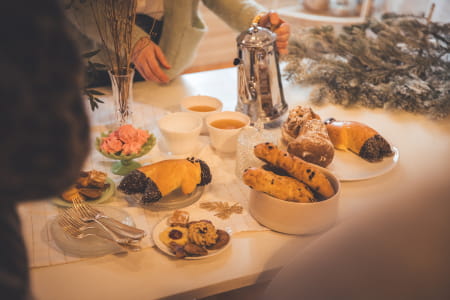 Top : Around wine, As a family, Christmas, Gastronomy
5 specialities from the Grand Est region to enjoy this Christmas!
Read more -
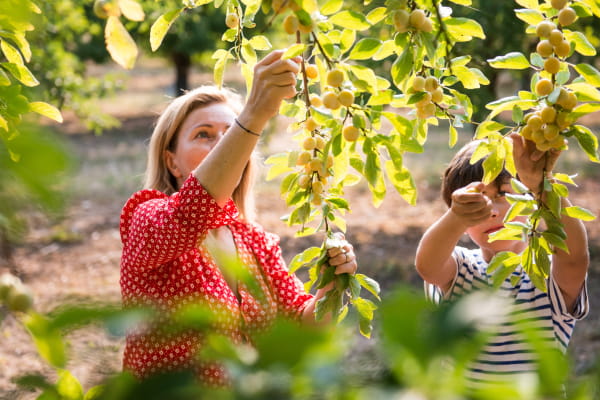 Top : Around wine, Gastronomy, Knowhow
Lorraine specialities: the must-tries of Lorraine cuisine
Read more -
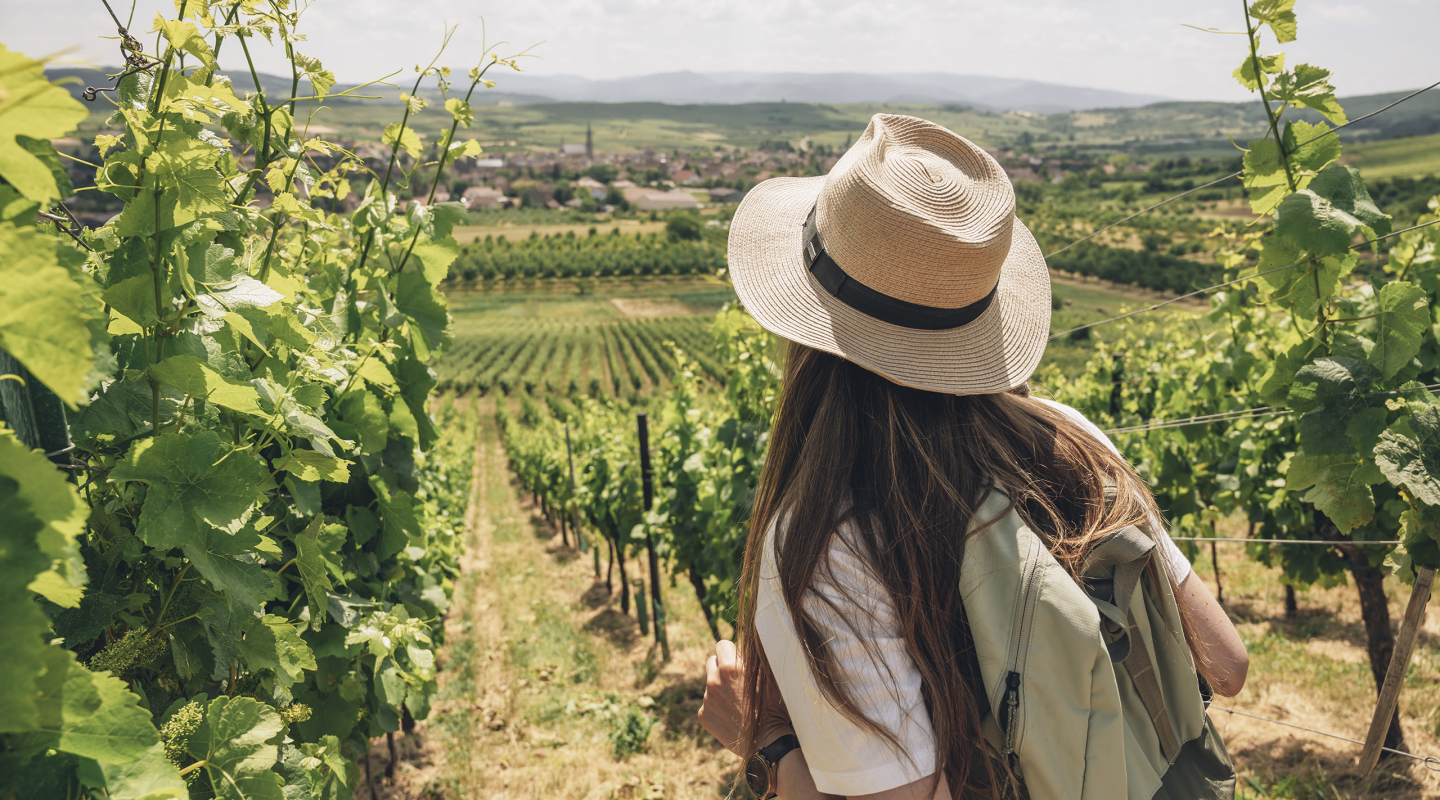 Travel diary : Among friends, Nature
3-day weekend on the Alsace Wine Route
Read more -
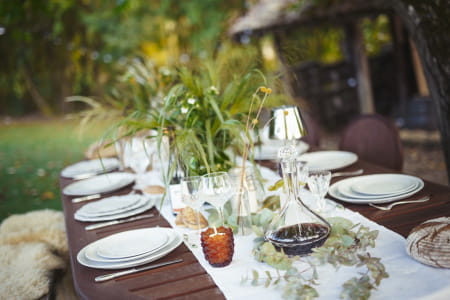 Large format : Culture & Heritage, Knowhow
Tableware in the Grand Est : visits to the heart of expertise!
Read more -
 Spotlight : Knowhow
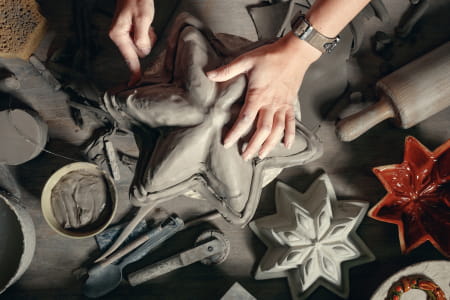
Poteries d'Alsace: the must-have for preparing tasty winter dishes!
Read more